Book Reading and Art: The Hunger of the Cheeky Sisters, Paradigm Gallery + Studio, March 22, 3 pm

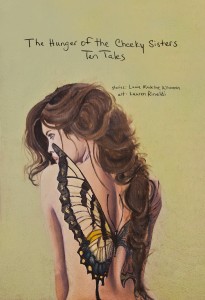
TenTales_cover

The Hunger of the Cheeky Sisters Book Reading & Art presents a themed reading on girlhood, coming of age, and the female body with Lauren Rindaldi, Dawn Lonsinger, Laura Madeline Wiseman, Kimberly Rinaldi, Elizabeth Akin Stelling, Shevaun Brannigan, Marion Cohen, and Elliott batTzedek, 3-5 pm, Sunday March 22nd, 2015, at Paradigm Gallery + Studio, located 746 South 4th Street, Philadelphia, PA 19147.
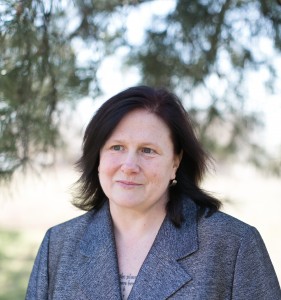
 

eb

Elliott batTzedek holds an MFA in Poetry and Poetry in Translation from Drew University; her translation manuscript of “Dance of the Lunatic” by the Israeli Jewish lesbian writer Shez won the 2012 Robert Bly Translation prize, judged by Martha Collins. She is the events coordinator for Big Blue Marble Bookstore, cofounder of QuillsEdge Press, and founder of Poetry Business Manager. Her work appears or is forthcoming in the journals: American Poetry Review, Massachusetts Review, Naugatuck River Review, Lambda Literary Online, and Sinister Wisdom, and in the anthologies: Passageways: the 2012 Two Lines Translation Anthology, and Women Write Resistance: Poets Resist Gender Violence. She blogs about poetry and translation at thisfrenzy.com.
 

sb

Shevaun Brannigan is a graduate of the Bennington Writing Seminars, as well as The Jimenez-Porter Writers’ House at The University of Maryland. Her poems appear or are forthcoming in such journals as Best New Poets 2012, Rhino, Court Green, and Crab Orchard Review. She is the first place recipient of the 2015 Jan-ai Scholarship through the Winter Poetry and Prose Getaway. Her favorite poetry gig is the workshop she leads at her local Domestic Violence Shelter, and her work can be found at shevaunbrannigan.wordpress.com.
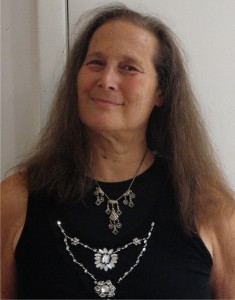
 

Marion Cohen

Marion Deutsche Cohen‘s latest poetry book is “Lights I Have Loved” (Red Dashboard Press). Her books total 24, including “Still the End: Memoir of a Nursing Home Wife” (Unlimited Publishing) and its prequel memoir, “Dirty Details: The Days and Nights of a Well Spouse” (Temple University Press), as well as “Crossing the Equal Sign” (Plain View Press), poetry about the experience of mathematics. She teaches math and writing at Arcadia University in Glenside PA, where she has developed the course, Truth and Beauty: Mathematics in Literature.
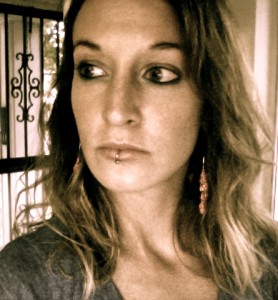
 

dl

dawn lonsinger is the author of Whelm (winner of the 2012 Idaho Prize in Poetry). Her poems and lyric essays have appeared in American Poetry Review, Black Warrior Review, Crazyhorse, Colorado Review, Best New Poets 2010, and elsewhere. She holds an MFA from Cornell University, a PhD from the University of Utah, and is Assistant Professor at Muhlenberg College where she teaches courses in Creative Writing and Literature & Film of Apocalypse and Monstrosity. She, like other organisms, has a thing for light.


kr

Kimberly Rinaldi is an animal lover, fit model, and local art supporter who lives and works in Philadelphia PA.

 

lr

Lauren Rindaldi is originally from Brooklyn, New York. She received her BFA in Painting from Tyler School of Art in 2006. She is a painter, illustrator and has worked on various projects with The City of Philadelphia Mural Arts Program. Her most recent visual works have been exhibited at Paradigm Gallery + Studio in Philadelphia and Scope Miami Beach – International Contemporary Art Show in Miami. She currently resides in Philadelphia with her husband and son.
 

EAS1 (1)

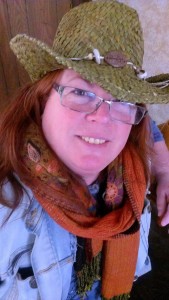
Born in Fort Worth, and raised in Carrollton, Texas, on Stockyard Rodeos and Pioneer Days in the 60-70s—Elizabeth Akin Stelling is a wife, mother, chef, a writer, activist for CHD and grief counselling, after losing her daughter to heart disease in 2000. She is also the brain child behind dis*or*der, Mental Illness and its Affects, a yearly anthology published by RedD, and is dedicated to her deceased mother who sufffered from various mental disorders. Elizabeth is managing editor of Red Dashboard LLC, Z-composition, Annapurna and Cowboy Poetry, and has works published in The Texas Observer, vox poetica, Referential Magazine, Linden Avenue Literary Journal, Curio Poetry, Wordgathering, River Review, Tuck Magazine, CrazyLitMag, 2014-San Angelo College Anthology, Literary Mamma, and various culinary trade magazines. Chef E’s food poetry has been heard on CroptoCuisine Radio, out of Boulder, CO. She is also studies Southwestern history for her wild west revivalist writing/poetry, and is a current member of Texas State Historical Association.
 

omaha2014

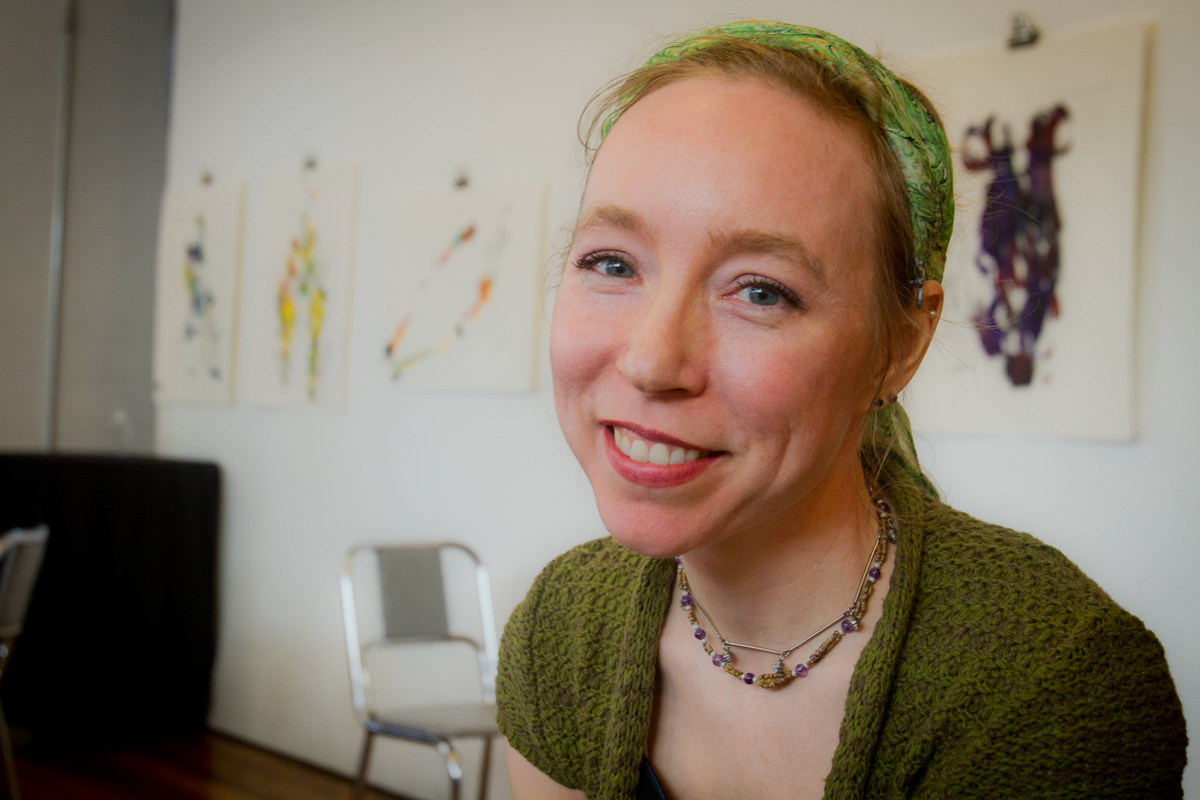
Laura Madeline Wiseman is the author of twenty books and chapbooks and the editor of Women Write Resistance: Poets Resist Gender Violence (Hyacinth Girl Press). Her recent books are Drink (BlazeVOX Books), Wake (Aldrich Press), American Galactic (Martian Lit Books), and the collaborative book The Hunger of the Cheeky Sisters (Les Femmes Folles) with artist Lauren Rinaldi. Her work has appeared in Prairie Schooner, Margie, Mid-American Review, and Feminist Studies. Currently, she teaches English and Women’s and Gender Studies at the University of Nebraska-Lincoln. www.lauramadelinewiseman.com
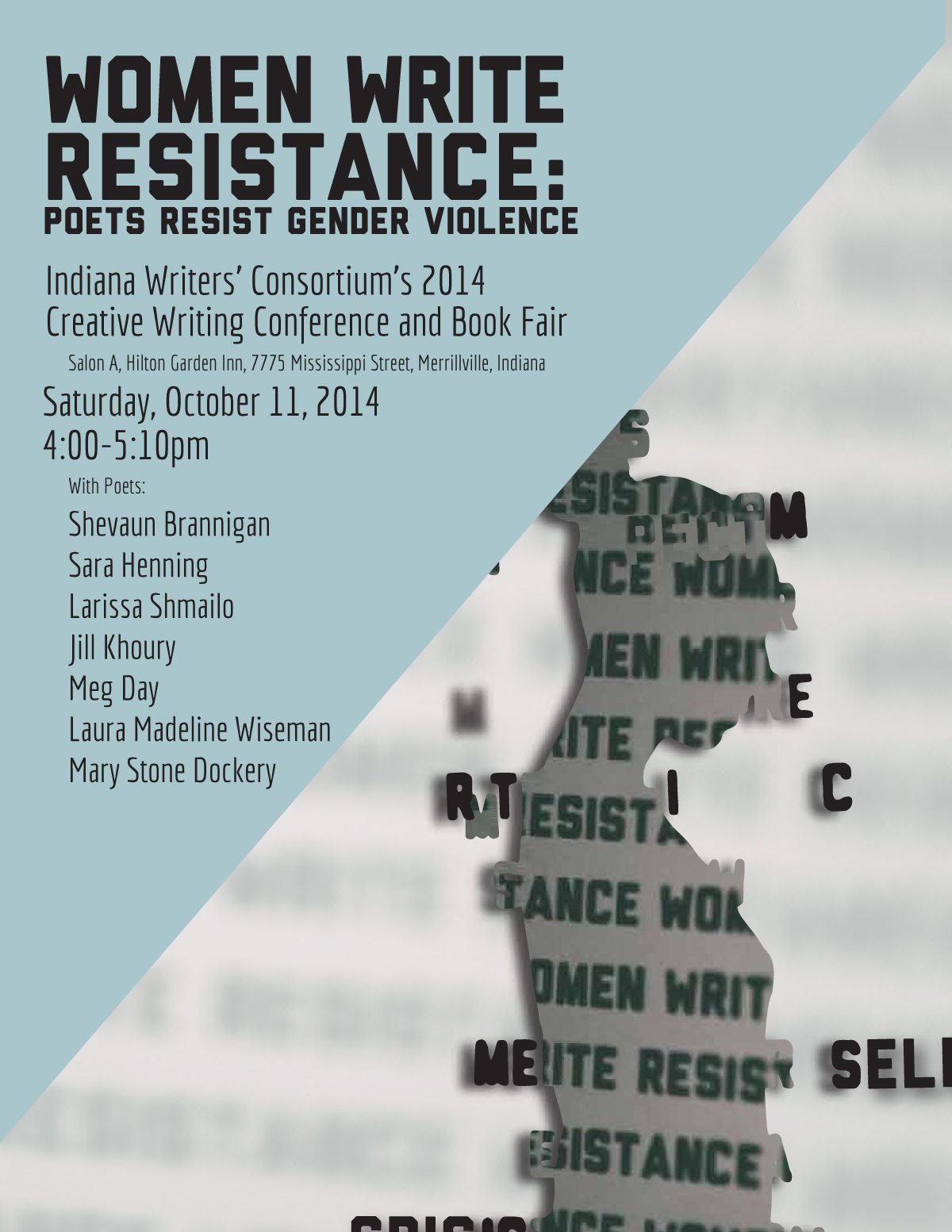
 

Women Write Resistance reading at the Indiana Writers’ Consortium’s 2014 Creative Writing Conference and Book Fair

WWR_poster_indiana

Women Write Resistance Poets read at IWC

Reading of Women Write Resistance
with Shevaun Brannigan, Sara Henning, Laura Madeline Wiseman, Larissa Shmailo, Jill Khoury, Meg Day, & Mary Stone Dockery
Indiana Writers’ Consortium’s 2014 Creative Writing Conference and Book Fair
4:00-5:10 PM, Saturday, October 11, 2014
Salon A, Hilton Garden Inn, 7775 Mississippi Street
Merrillville, Indiana

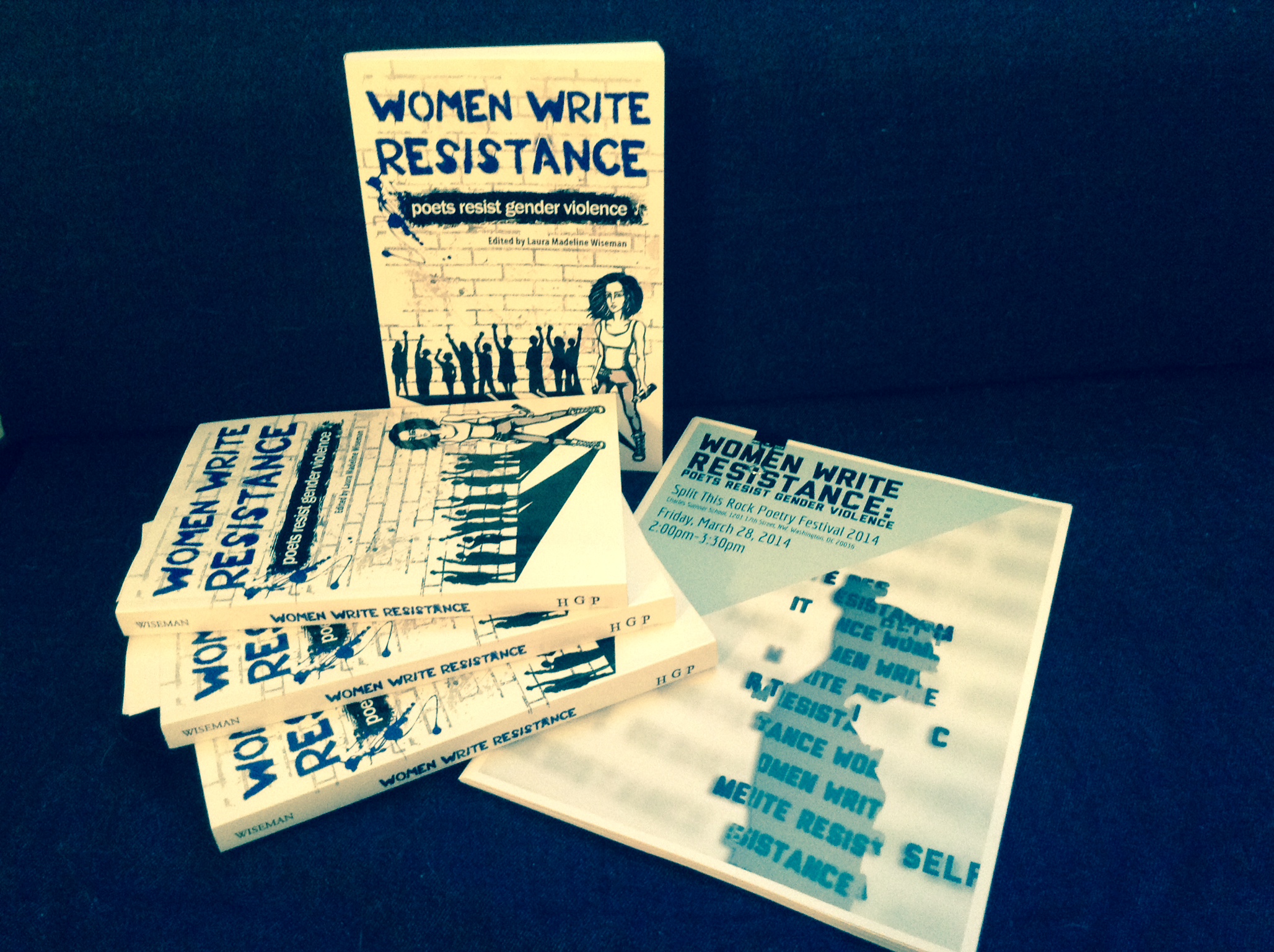
Women Write Resistance: Poets Resist Violence (Hyacinth Girl Press, 2013), edited by Laura Madeline Wiseman, views poetry as a transformative art. By deploying techniques to challenge narratives about violence against women and making alternatives to that violence visible. Poetry of resistance distinguishes itself by a persuasive rhetoric that asks readers to act. The anthology’s stance believes poetry can compel action using both rhetoric and poetic techniques to motivate readers. In their deployment of these techniques, poets of resistance claim the power to name and talk about gender violence in and on their own terms. Indeed, these poets resist for change by revising justice and framing poetry as action. This IWC Conference reading will include an introduction by the editor and feature Women Write Resistance poets who will read their poems and others from Women Write Resistance.

WWR going to STR 2

The featured Women Write Resistance poets

“When you sit down to write a poem, I think you’re making a really brave and bold statement that is at once insistent upon your own existence and also wildly generous in the sacrificing of that existence to the possibility of a reader. To be a person—to insist on personhood—is a right we see refused to the majority of the people in this country (and other countries, with our country’s help) on a daily basis, even when we aren’t hearing about it on the news or social media.” - Meg Day, Blotterature

Meg Day, selected for Best New Poets of 2013, is a 2013 recipient of an NEA Fellowship in Poetry and the author of Last Psalm at Sea Level, winner of the Barrow Street Press Poetry Prize (forthcoming 2014), When All You Have Is a Hammer (winner of the 2012 Gertrude Press Chapbook Contest) and We Can’t Read This (winner of the 2013 Gazing Grain Chapbook Contest). A 2012 AWP Intro Journals Award Winner, she has also received awards and fellowships from the Lambda Literary Foundation, Hedgebrook, Squaw Valley Writers, the Taft-Nicholson Center for Environmental Humanities, and the International Queer Arts Festival. Meg is currently a PhD candidate, Steffensen-Cannon Fellow, & Point Foundation Scholar in Poetry & Disability Poetics at the University of Utah. www.megday.com

“I also do not think of poems or poets as static—just because someone writes poetry, does not mean they cannot be an activist. In fact, poetry, which is a vital form of connecting with others, may predispose someone to be more in tune with the world’s injustices.” - Shevaun Brannigan, Blotterature

Shevaun Brannigan is a graduate of the Bennington Writing Seminars, as well as The Jimenez-Porter Writers’ House at The University of Maryland. She has had poems appear in such journals as Best New Poets 2012, Lumina, Rhino, Court Green, and Free State Review. She has been an Arts & Letters Poetry Prize finalist, received an honorable mention in So to Speak’s 2012 Poetry Contest, as well as a Pushcart nomination by Rattle.

“Sometimes, the attempt at truth is all that one can muster, and that is its own truth.” - Sara Henning, The Conversant

Sara Henning is the author of A Sweeter Water (Lavender Ink, 2013), as well as a chapbook, To Speak of Dahlias (Finishing Line Press, 2012). Her poetry, fiction, interviews and book reviews have appeared or are forthcoming in such journals as Willow Springs, Bombay Gin and the Crab Orchard Review. Currently a doctoral student in English and Creative Writing at the University of South Dakota, she serves as Managing Editor for The South Dakota Review.

“Poetry has been revolutionary and transformative for me since I became interested in poetry.” - Jill Khoury, Blotterature

Jill Khoury earned her Masters of Fine Arts from The Ohio State University. She teaches writing and literature in high school, university, and enrichment environments. Her poems have appeared or are forthcoming in numerous journals, including Bone Bouquet, RHINO, Inter|rupture, and Stone Highway Review. She has been nominated for two Pushcart Prizes and a Best of the Net award. Her chapbook Borrowed Bodies was released from Pudding House Press. You can find her at jillkhoury.com.

“Poetry transformed me… into a powerful woman…Poetry continues to mold and shape my life by offering new possibilities each day.” - Larissa Shmailo, Blotterature

Larissa Shmailo is the editor of the anthology Twenty-first Century Russian Poetry, poetry editor for MadHat Annual, and founder of The Feminist Poets in Low-Cut Blouses. She translated Victory over the Sun for the Los Angeles County Museum of Art’s landmark restaging of the multimedia opera and has been a translator on the Bible in Russia for the American Bible Society. Her books of poetry are #specialcharacters (Unlikely Books), In Paran (BlazeVOX [books]), A Cure for Suicide (Červená Barva Press), and Fib Sequence (Argotist Ebooks); her poetry CDs are The No-Net World and Exorcism (SongCrew).

“There have been times in my life where poetry gave me all the answers about myself and about the world and about what it means to be a woman.” - Mary Stone Dockery, Blotterature

Mary Stone Dockery is the author of One Last Cigarette and Mythology of Touch, and two chapbooks, Blink Finch and Aching Buttons. Her poetry and prose have appeared in many fine journals, including Mid-American Review, Gargoyle, South Dakota Review, Arts & Letters.

omaha2014

“As I wrote in the critical introduction to Women Write Resistance: Poets Resist Gender Violence, I believe poetry is power. Poetry is action.” - Laura Madeline Wiseman, Blotterature

Laura Madeline Wiseman is the author of more than a dozen books and chapbooks and the editor of Women Write Resistance: Poets Resist Gender Violence (Hyacinth Girl Press, 2013). Her recent books are American Galactic (Martian Lit Books, 2014), Some Fatal Effects of Curiosity and Disobedience (Lavender Ink, 2014), Queen of the Platform (Anaphora Literary Press, 2013), Sprung (San Francisco Bay Press, 2012), and the collaborative book Intimates and Fools (Les Femmes Folles Books, 2014) with artist Sally Deskins. Her work has appeared in Prairie Schooner, Margie, Mid-American Review, and Feminist Studies. www.lauramadelinewiseman.com

More recent interviews with poets from Women Write Resistance:

An Interview with Poets from Women Write Resistance: Poets Resist Gender Violence,” Blotterature, October 2014

“‘To make a new whole of the fragments’: A Roundtable Discussion with poets in Women Write Resistance,The Conversant, October 2014

“‘We invent the forms of resistance we wish to see‘: A Roundtable Discussion with Poets in Women Write Resistance,” Les Femmes Folles, September 2014

“Blot Lit Reviews: An Interview with Writers from Women Write Resistance: Poets Resist Gender Violence,Blotterature Literary Magazine, by Julie Demoff-Larson with Sarah Chavez, Tyler Mills, Jennifer Perrine, Carly Sachs, Monica Wendel, and Margo Taft Stever, May 2014, Part I & Part II

“‘their words make this possible‘: A Roundtable Discussion of Poetics of Emplacement with Poets from Women Write Resistance,” Spoon River Poetry Review, April 2014

call for poems on gender violence

Here’s the CFP for anyone who has poems about gender violence and violence against women:

WOMEN WRITE RESISTANCE: POETS RESIST GENDER VIOLENCE (Blue Light Press, 2013), a new anthology of American poets, seeks poetry submissions to round out the collection. The poets in this anthology intervene in the ways violence against women is perceived in American culture by deploying techniques to challenge those narratives and make alternatives visible. See description below. More information: https://www.facebook.com/WomenWriteResistancePoetsResistGenderViolence or https://www.facebook.com/events/338957122853722/

There are two ways to submit:

Submit 1-3 unpublished poems in the body of the email or as a doc to <womenwriteresistance(at)gmail.com> (replace (at) with @ in sending e-mail). This is the preferred submission.

Or: Submit 1-3 previously published poems in the body of the email or as a doc to <womenwriteresistance(at)gmail.com> (replace (at) with @ in sending e-mail). For this submission, please also include the following: 1) the title of your poem; 2) the name of the book, journal, or anthology where it originally appeared; 3) the name of the press or journal who published it; 4) the year or issue it was published. Please double check to make sure that you as the author retain the rights to this poem(s) or that it can be reprinted at no cost other than acknowledgement to the original source.

Please also include in your submission a bio (50-100 words) and a mailing address. Deadline for submissions is September 30, 2012.

Contributors include Kristin Abraham, Lucy Adkins, Lana Hetchman Ayers, Wendy Barker, Ellen Bass, Grace Bauer, Kimberly L. Becker, Laure-Anne Bosselaar, Shevaun Brannigan, Kristy Bowen, Susana H. Case, Joy Castro, Allison Hedge Coke, Sandi Day, Jehanne Dubrow, Rain C. Goméz, Megan Gannon, Judy Grahn, Nicole Hospital-Medina, Judy Juanita, Julie Kane, Susan Kelly-Dewitt, Paula Kolek, Alexis Krasilovsky, Marianne Kunkel, Lisa Lewis, Lyn Lifshin, Frannie Lindsay, Ellaraine Lockie, Alison Luterman, Marie-Elizabeth Mali, Leslie Adrienne Miller, Deborah A. Miranda, Linda McCarriston, Dawn McGuire, Sara Luise Newman, Claire Ortalda, Cati Porter, Laura Van Prooyen, Natanya Ann Pulley, Carol Quinn, Hilda Raz, Kimberly Roppolo, Lucinda Roy, Carly Sachs, Marjorie Saiser, Maureen Seaton, B. T. Shaw, Kathleen Tyler, Judith Vollmer, Davi Walders, Tana Jean Welch, Judy Wells, Rosemary Winslow, Karenne Wood, Andrena Zawinski, and many, many others.

WOMEN WRITE RESISTANCE: POETS RESIST GENDER VIOLENCE (Blue Light Press, 2013) views poetry as a transformative art. By deploying techniques to challenge narratives about violence against women and making alternatives to that violence visible, the American poets in WOMEN WRITE RESISTANCE intervene in the ways gender violence is perceived in American culture. A poem from a victim’s perspective, for example, might use explicit imagery but also show the emotional consequences often obscured when newspapers, video games, films, and television programs depict violence in superficial or sexualized ways. A poet might also critique dominant narratives, such as calling into question the perception that certain women deserved to be raped.

The introduction, which draws on the work of Tami Spry, Kimberlé Williams Crenshaw, and Chela Sandoval, frames the intellectual work behind the building of the anthology by describing how poets break silence, disrupt narratives, and use strategic anger to fight for change. Poetry of resistance distinguishes itself by a persuasive rhetoric that asks readers to act. The anthology’s stance believes poetry can compel action using both rhetoric and poetic techniques to motivate readers. In their deployment of these techniques, poets of resistance claim the power to name and talk about gender violence in and on their own terms. Indeed, these poets fight for change by revising justice and framing poetry as action.