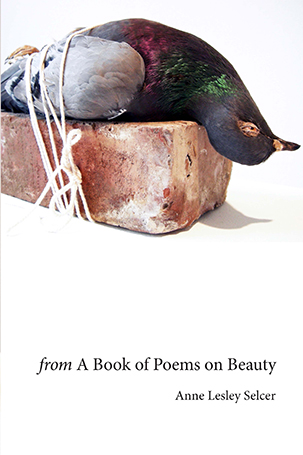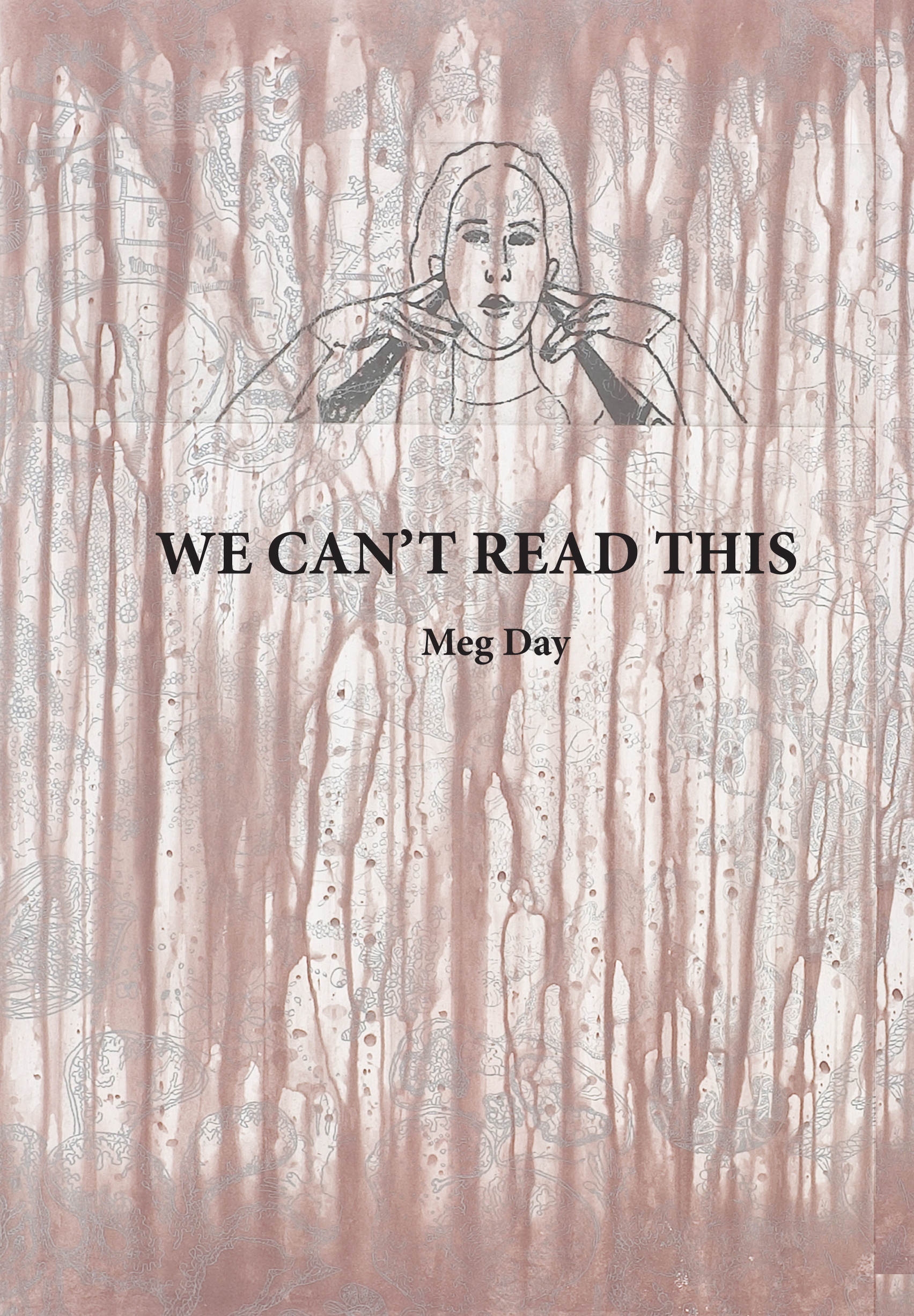
the chapbook interview: “I didn’t know that chapbooks existed” Raylyn Clacher on chapbook existence

Capture

You are the author of the chapbook All of Her Leaves (Dancing Girl Press, 2015) and have a MFA from the University of Nebraska. What did you learn during your MFA studies and undergrad degree about the chapbook?

I was first introduced to the chapbook during a summer writing workshop through the University of Nebraska Lincoln with Zachary Schomburg. Before that class, I was kind of writing in this little bubble with no concept of the outside writing world. Honestly, I thought I was a freak for coming home from my job as a manager and working on these little poems that never went anywhere. Drafts kept accumulating but never got completed.

In that class, Zach brought in a bunch of chapbooks the last day. They were beautiful. It sounds silly, but I didn’t know that chapbooks existed. I thought your poetry collection had to be larger to be published. I loved the size of the books, how they felt like these compact little nuggets of power and emotion. During that workshop he also talked about creating continuity in your collection through repetition and naming.

Through my MFA studies, I learned how to actually see my poems through to completion, how to harness the wild imagery into a larger narrative. I learned to give them direction and force. I learned to persevere. These experiences came into play when I started taking a look at the work I’d accumulated the summer before my graduating semester. I started to notice some threads running through my work. I thought about that workshop with Zach and began to play around with the idea of a character who could step into some of the poems to give them a larger narrative.
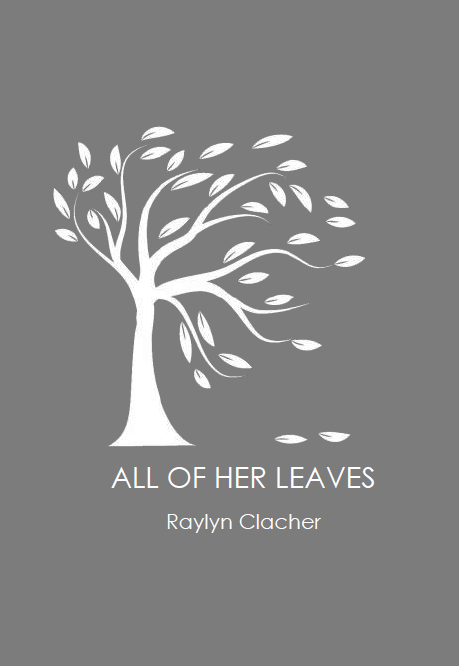
That’s what I adore about your poetry—the wild imagery. All of Her Leaves offers Laura Ingalls Wilder, tornadoes, owls, cooking and eating, motherships, fire, crows, and worms hefted around your lines with fierce verbs. What poets and collections of work do you admire that have employ imagery in ways you find provocative and inspiring?

Thank you! That’s part of what I love about writing - the permission to let your imagination run free and play. As far as inspiration, it always kind of begins and ends with Sylvia Plath for me. I was introduced to her poem, “Mirror” in Mrs. Borrego’s sophomore English class and have been fascinated with how Plath uses imagery ever since then. Her work has this clear, visceral edge to it that (for me) comes from the startling, exact images. In “Mirror,” I can inhabit the world of this object. I can feel the unstoppable terror of age approaching, this “terrible fish” that she’s becoming. You can’t leave a Plath poem without at least one powerful image pinned in your brain.

I’ve also been inspired by Zachary Schomburg and Patricia Lockwood’s work. Schomburg has this way of inhabiting and animating something unexpected, like a refrigerator in “Refrigerator General” and not only bringing it to life, but giving it emotion and resonance. I love how Lockwood employs imagery in her work and lets her imagination run wild. It’s like each poem of hers sees a string of images or association of words through to their full conclusion. She explores every possibility before putting a poem to bed.

As I revise work, I’ve been trying to think of Elizabeth Bishop more and balance her out with my impulse to run wild. I love how she calmly inhabits an image and gives it it’s full due. There’s this methodical calm to her work - like in “The Weed,” she takes her time to focus on and fully flesh out this weed rather than moving on too hastily. I’m trying to work on this balance.

With all the things in life that conspire against the work of poems, what brings you to and inspires you to write the images and stories you tell in your poetry and specifically in All of Her Leaves?

Ironically, I feel like it’s those things in life that conspire against the work of poems that generate images and stories for me - that kind of chaos and upheaval that makes it hard to sit down and write. The work in All of Her Leaves came out of a really chaotic time for me. Not only was I going through a lot of life changes, but my friends were too. I had a lot of anxiety and uneasiness, which I’ve found usually leads me to look at things differently. I think it’s my brain’s way of making sense of things and neutralizing them.

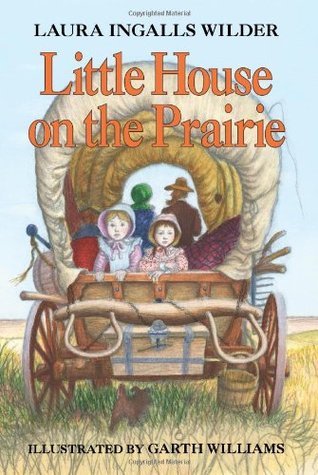
For example, the poem “My Heart is Overfed” started with the image of the pig’s bladder from the Little House on the Prairie books and this feeling of wanting to go back in time. Then it became this idea of trying to swallow all of the good things of the earth before they disappear. It was this idea of being in love, but also being worried that that love may leave or not work out, this feeling of grabbing everything you can while you can, of savoring the moment.

It’s this kind of disconnect and tension that generates poetry for me. When I’m anxious or struggling with something an image or phrase will pop into my head. Sometimes it happens while I’m driving or at work. I jot it down for later when I can come back to it. The trick is finding the time to flesh out the poem.

Beyond your publishing record and your MFA, I know you work full-time and are an expecting mother. Talk about your writing discipline. How does work and pregnancy make possible moments to flesh out your poetry?

Like all of us, I’ve learned that I have to make time to write - if I wait for a chunk of time to present itself, it’s never going to. My list of to do’s will always be there. The best time for me to write is early in the morning, before the day starts. Otherwise my brain is mush by the end. Sometimes I can sneak some writing or reading in over my lunch break too. I’m trying to get better at making the most of shorter bursts of time, because I have the feeling that’s going to be key once the baby comes. I have no idea what life is going to be like in a few more months, but I know that writing is one of the things that I want to hang onto and make time for.
How do you define chapbook? A smaller collection of poetry, usually tightly focused on a theme or narrative.

What makes a good chapbook? Something that’s tightly woven thematically, that pulls me from poem to poem.
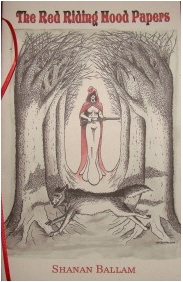

What chapbooks or chapbook poets have impacted your writing the most? Shannan Ballam’s The Red Riding Hood Papers

What do you look for when you put together a chapbook? A good story line that will keep people engaged.

How are you trying to get better as a chapbook poet? I’m trying to read more and support the chapbook community.

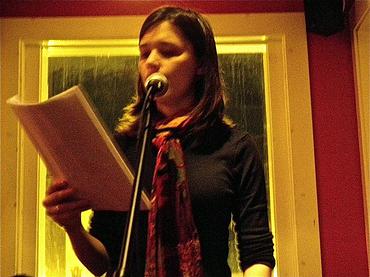
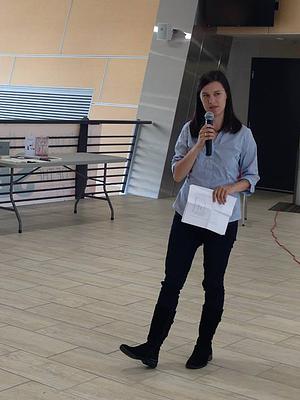
Raylyn Clacher

What’s next for you? Working on getting my full length manuscript out there, hopefully pulling another chap together, ideally putting together a reading series in my hometown of Wichita, Kansas.

Current chapbook reading list: The Girl of My Dreams by April Salzano; Housewifery by Carly Anne Ravnikar; Small Like a Tooth by Carolyn Williams-Noren
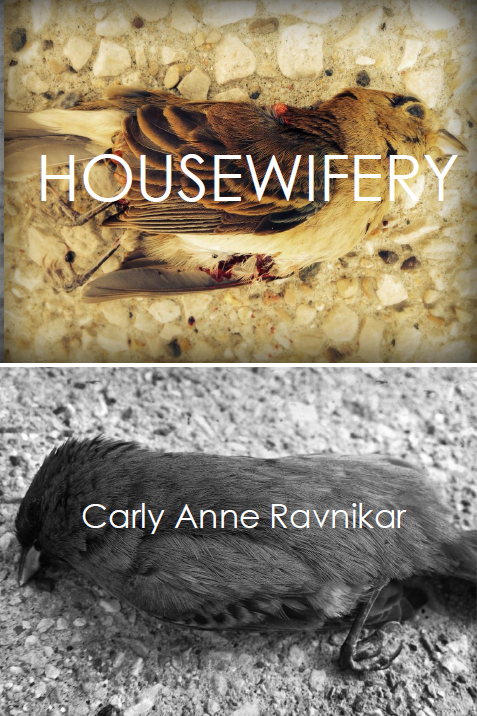
Number of chapbooks you own: Not enough. About 10.

Number of chapbooks you’ve read: about 10. I need to get to more!

Your chapbook credo: I tell other writers to submit! Gather your poems together and see what kind of story they’re telling. You might have a chapbook brewing that you’re unaware of.

the chapbook interview: Abigail Welhouse on bad babies, color coding poems, and pre-00’s

Bad Baby author

Humor informs the poetics in your chapbook Bad Baby (Dancing Girl Press, 2015). What poets do you admire who do this same work? What specific collections or styles do you find provocative?

I admire poets that can pivot between lightness and seriousness (or inhabit both places at once). Sometimes playing with language can make us jump from something cartoonish to finding out something true. I liked both of Patricia Lockwood’s books, Balloon Pop Outlaw Black and Motherland Fatherland Homelandsexuals. I heard her read “The Father and Mother of American Tit-Pics,” about Emily Dickinson and Walt Whitman, at the Sarah Lawrence Poetry Festival last year, and she was hilarious in a way that made me think.

I also enjoy work by poets who don’t keep themselves locked into tight genre boundaries, like Joyelle McSweeney’s play The Contagious Knives. She said in an interview with Entropy that her exuberance is “more volatile than her rage.” I identify with that.

Your sequence addresses issues of gender—violence against women, gender roles, motherhood, sexuality and desire—and of course, the cover is bright pink. How does feminism inform your work?

Those are all issues that I’ve written about much more directly in some of my other poems, like “Immaculate,” a poem about the Virgin Mary that the Heavy Feather Review published. So I’m glad that you can still hear them in this chapbook, which is more playful and aggressive, and I think less direct in its approach to feminism.

I started writing Bad Baby after I heard a “This American Life” episode about babies gone bad. How do we know if that could happen to us? Maybe we don’t. Maybe we know very little about what’s going to happen to us in our lives. So part of what I want to address is uncertainty, and how everything, especially love, is a risk.

The cover design is based on a retainer that I had made on a recent trip back to Appleton, the town in northeast Wisconsin where I grew up. The orthodontist told me that the technology had changed a lot since I’d gotten my previous retainer, and that he could make it look however I wanted. I asked him to make it hot pink, with a black skull & crossbones, and the words “Bad Baby.” I sent a photo to Kristy Bowen, my publisher, and she found that gorgeous bright pink cardstock that you see today. I love that it reminds me of a zine in the punk or riot grrrl traditions. We also thought about putting glitter on the cover, but ultimately decided it was too much trouble to figure out how to make it not get everywhere.

Bad Baby is your first chapbook. What did you learn in your MFA program about the chapbook as a genre?

I most often heard about chapbooks as an end-of-semester portfolio that contained all of the final revisions, thoughtfully ordered, with a title page, and maybe with a photo of a French bulldog wearing a monocle on the cover (okay, maybe that was just mine). I was in a few workshops that exchanged chapbooks at the end of the semester, whether physical copies or electronic.

I remember feeling panicked when I was first encouraged to figure out how to order poems in a manuscript. David Groff, one of my professors at CCNY, was exceptionally patient, and encouraged me to look at what poems speak to one another, and whether I have poems that ask questions that others start to answer or otherwise explore.

Michelle Valladares, another CCNY professor who was also my thesis advisor, had a useful suggestion. She told me to print out a tiny version of my manuscript, with four pages fitting on one page, and cut it up to have an easily-rearranged physical version of my manuscript. I taped the miniature pages to the wall in a tiny room in my apartment that I call my Poetry Room. (When I say tiny room, it’s in the way that people in New York sometimes call their fire escapes “balconies.” It’s about 25 square feet, which is just enough room to have a wall for poems in progress, and another wall for my friends’ broadsides. Right now I have some from Elaine Equi, Lisa Marie Basile, Anthony Cappo, Gregory Crosby, and Joanna Valente — and the last three of those include art by Ted Chevalier.)

In addition to using these miniature printed copies to rearrange poems, I ended up doing a lot of color coding. Certain poems felt blue, others red, sometimes both — so I marked the sheets with crayon scribbles. I don’t have synesthesia, but I find that trying to apply one kind of art to another is useful. I think of how I used to arrange tracks on mix CDs for my friends. That’s a similar skill to putting chapbooks together.

Myth, whimsy, popular culture, and the unexpected juxtaposition of imagery fills Bad Baby. I should say, specifically, thank you for including Lite-Brite in your poem and the many references to the pre-00’s era. Talk about your writing and inspiration process.

When I wrote Bad Baby, I was writing a poem a day for National Poetry Month for the first time ever. I wrote the title poem, which was first published in the Cross Review, on April 1, 2014. Almost every poem in this chapbook is a revised version of something I wrote that month. I also started sending out Secret Poems — what I call poems that haven’t been sent out for publication yet — on tinyletter.com/welhouse.

I wrote the poems with pre-00’s references while watching all six seasons of Dawson’s Creek on Netflix. I never watched this show when it was on the air. I was (and still am) one of those chronically over-scheduled people who can’t commit to watching a show in real time. But I started watching it, and before I knew it, I was hooked on what’s essentially a Greek play of a teenage drama, with the players contractually clad in American Eagle.

Michelle Williams, who plays the “bad girl from New York,” is a national treasure. In lesser hands, that character would be a complete cliché, straight out of a reductive madonna/whore dichotomy. But Michelle Williams gives her nuance, and she’s so luminous that you can’t help but watch. (This is still true — I got to see her in Cabaret on Broadway last fall, and she gave Sally Bowles a real sense of vulnerability.)

I also kept thinking, as I was watching, how strange it must be to start out relatively unknown, and transition to being huge celebrities while still playing the same characters. You always hear about teen celebrities wanting to break free and make people notice that they’re not children anymore. Maybe in some ways, teen celebrities are the ultimate “bad babies.”

How do you define chapbook? A short book, sometimes focused around a particular theme.


What makes a good chapbook?
I like to read books that make me see things differently than before. The same as a longer book, I think.


What chapbooks are inspiring you these days?
When Bad Baby was first accepted by dancing girl press, I read a bunch of other dancing girl press poets. I particularly loved Twos by Emma Aylor, Undressing by Nicole Steinberg, Mesmer by Joanna Penn Cooper, Talking Doll by J. Hope Stein, In the Way of Harbors by Alexandra Mattraw, and S by Sarah V. Schweig.

What do you look for when you put together a chapbook? I look for which poems have something to say to one another.


How are you trying to get better as a chapbook poet?
Writing a lot, and getting older.


What’s next for you?
I’m working on a full-length manuscript, Immaculate, and another chapbook, Too Many Humans of New York.


Current chapbook reading list:
Nicole Steinberg’s Clever Little Gang, Lisa Marie Basile’s war/lock, J. Hope Stein’s [Mary]:, and many more.


Number of chapbooks you own:
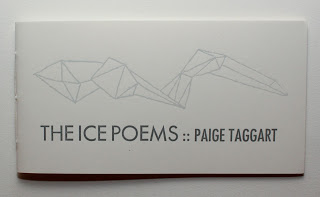
Let’s see. I own five chapbooks from the Operating System (Spooky Action at a Distance by Gregory Crosby and all four from the woodcut series), 7 or 8 from dancing girl press, The Ice Poems by Paige Taggart, The Heart That Lies Outside the Body by Stephanie Lenox, and various others from friends and poets I’ve seen read over the years. Oh, and I also have about 50 copies of Bad Baby under my desk right now. I ordered them for a reading I’m doing with Bushwick Sweethearts at Mellow Pages in Brooklyn on Saturday, May 9th and for the Poetry Festival in Cedarmere on Sunday, May 17th.

Where you spend your chapbook earnings: Buying more copies of my own chapbook.


Your chapbook wish:
I would love if a teenage poet from the Midwest, like I was once, read Bad Baby and was inspired to write a poem in response. Wouldn’t that be nice?


Residence:
Brooklyn, New York
Job:
Book publicist and horseback riding instructor

Chapbook Bio: Abigail Welhouse is the author of Bad Baby (dancing girl press, 2015). Her writing has appeared in The Toast, The Morning News,The Rumpus, Lyre Lyre, Yes Poetry, and elsewhere. She holds an MFA from the City College of New York, sends Secret Poems at tinyletter.com/welhouse, and would like to talk to you on Twitter: @welhouse.

the chapbook interview: Lindsay Lusby on the mother-beast of a poem

Lindsay Lusby

Your work as an editor and poet gives you the opportunity to work with several different genres of publication—literary journal, anthology, broadside, letterpress—as well other venues of literary culture such as writer-residencies, salons, readings, and launches. What do you admire about the chapbook form as a genre and vessel for poems?

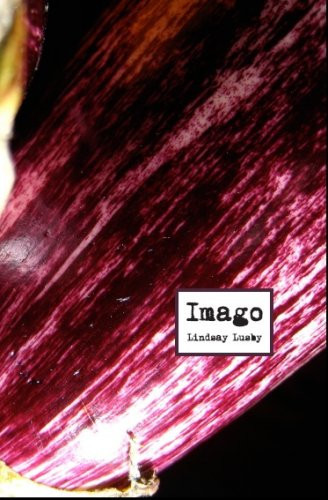
I don’t think there is anything else that does just what a chapbook does for presenting and shaping poems. When I began writing Imago, it was a huge experiment for me. It was the first time I ever attempted writing poems in a series, interconnected pieces that create and continue a lyric fairy-tale narrative. Although it’s almost impossible to sustain this over 40-60 poems, a length of 10-20 poems is just right—the Goldilocks quotient. These parameters also gave me the freedom to explore narrative possibilities in a way that I never had previously when my focus was on the smaller frame of the individual poem. Where one poem ended, I could pick up the lyric thread and continue to push it further. My chapbook experiment forced me to push past the mystery that I like to leave my poems suspended within. I had to find answers to the poetic questions I posed. The interconnectedness of these poems also made them very dependent upon each other for meaning and context, which meant that they lost some of their potency if presented as individual poems (say in a literary journal or anthology). This could be considered a weakness in the poems, but gathered together in their intended sequence in a chapbook, they seem to form one bigger and stronger poem. That’s what I think the chapbook does best, when it works: assembles a group of poems into one larger mother-beast of a poem.


Imago (Dancing Girl Press, 2014) is your first chapbook. What did you learn in the writing classes and workshops you took in college about the chapbook as a genre? Talk about your classroom experiences that informed your thinking about the chapbook.

Of all the creative writing workshops and classes I took as an undergrad, I don’t really recall much mention of chapbooks, sadly. There was plenty of focus on how individual poems work (and don’t work) and on analyzing full-length collections, but no chaps. My introduction to chapbooks actually came through the letterpress printing and bookbinding workshops I took during that time. So I learned about the history of chapbooks as folk art, as object. Their intersection with the publication of contemporary poetry just served to draw me in further. Because of this introduction, I will always think of chapbooks as both physical artifact/art object and vehicle for poetry.


Your chapbook Imago is a coming-of-age story of fairy tale and myth. What are the strategies you admire of other contemporary writers who do similar work in the genre? Talk about your interest in retellings.

My two favorite retellers of fairy tales and myth are Angela Carter and Kate Bernheimer. They completely embrace the inherent weirdness of fairy tales, and then they amplify that weirdness. Carter takes it to the carnivalesque and Bernheimer to dark and visceral whimsy—both nurture the tales’ grotesqueries. I think I favor Bernheimer’s approach more in my own writing; although in my reading, I love both equally. In her fabulous and insightful essay in The Volta, Kate Bernheimer called all of this the “fairy way of writing,” after Dryden. She articulates so many of the qualities of fairy tale that were previously inexplicable to me: everyday magic, intuitive logic, flatness, abstraction. These are the things that make fairy tales and myth such fun to play with and rearrange.

Link to Bernheimer essay: http://www.thevolta.org/ewc30-kbernheimer-p1.html


Writers and poets often talk about advocating for their work, promoting their work, and supporting the work of other writers by giving back, thereby creating a community where literary endeavors of small presses and the writers they publish is celebrated, discussed, and read. What strategies of advocacy and promotion do you think are most helpful for the chapbook?

I think this will always be a difficult area because the audience for chapbooks is even smaller than the audience for poetry in general. But I think the presses themselves have a great way of forming an instant sisterhood among the poets they publish, even if they haven’t met before. There’s a certain something about our writing that makes it Dancing Girl Press material, so we’re already more likely to have a natural affinity for each other’s work. And because of that, our audiences also naturally overlap a bit and every DGP poet I’ve met online or in person has been so generous about supporting my chapbook and the chaps of other DGPers, even sharing their own spotlight. I mean we are each other’s audience! It’s a connection that feels much more familial than it does competitive, so our instinct is to cheer on each other’s successes because any DGP win feels like a victory for each of us individually, too. Maybe that’s just me? But I don’t think it is. I think reading and thoughtfully reviewing each other’s chapbooks is a great strategy. Because who knows and appreciates the art of chapbooks better than we do? We are the ones who can best explain to the uninitiated what is so important and beautiful about chapbooks. Holding collaborative events—readings and salons, especially events that bring in a second medium like music, visual art, etc.—is also a fantastic way to simultaneously support and celebrate each other’s work while presenting it to an audience of potential readers. The most successful and engaging events I’ve held or attended feature a meeting of connected but separate arts media. For celebrating chapbooks, what about an event that is both a reading from chapbook poets and a demonstration of bookbinding or printing techniques? I would love to attend that!


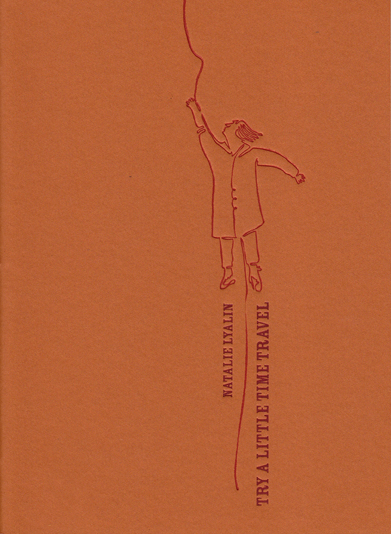
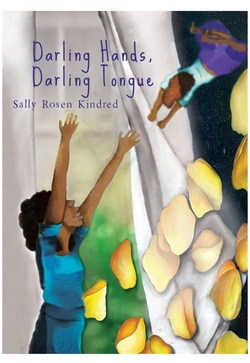
What chapbooks are inspiring you these days? Try a Little Time Travel, by Natalie Lyalin (Ugly Duckling Presse, 2010) is one of my all-time favorite chapbooks. It is perfect in its sense of play. Darling Hands, Darling Tongue, by Sally Rosen Kindred (Hyacinth Girl Press, 2013) is also a fantastic chapbook discovery of a few months ago.

What do you look for when you put together a chapbook? I look for poems that need to be alone together. Those poems that really need to get a room because they’re making the other poems around them uncomfortable with how intimate they are with each other.


What’s next for you?
I’m currently working on building my first full-length poetry collection, which I’ve called Catechesis. I’m also working on a collaborative chapbook with my poet-friend Emma Sovich, called Women’s Work. We’re both letterpress printers (she’s actually just completed her Book Arts MFA at the University of Alabama!) and proud feminists. For such an industrial art, the letterpress printing renaissance that we’re living right now is also largely populated by women (you can check out this awesome group called the Ladies of Letterpress here: www.ladiesofletterpress.com). And all of these awesome women in the print shop has us feeling like the proper granddaughters of Rosie the Riveter—at home amid the smells of lead type and rubber-based ink, working to the hum of the motorized proof or platen press. Our collaborative chapbook will attempt to use the cast-iron imagery of the print shop to create a contrast with the traditional notion of softer, domestic tasks as “women’s work.” Emma and I hope that, in the end, the fifteen to twenty poems we write for this chapbook manage to construct a kind of printers’ feminist manifesto (or even a feminists’ printing manifesto).


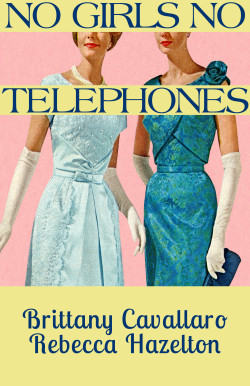
Current chapbook reading list: I picked up a stack of new chapbooks at AWP Minneapolis that I’m excited to begin: The Greenhouse, by Lisa Gluskin Stonestreet (Bull City Press, 2014); Beneath the Ice Fish Like Souls Look Alike, by Emilia Phillips (Bull City Press, 2015); No Girls No Telephones, by Brittany Cavallaro & Rebecca Hazelton (Black Lawrence Press, 2014); Lace & Pyrite: Letters from Two Gardens, by Ross Gay & Aimee Nezhukumatathil (Organic Weapon Arts, 2014); and Should Our Own Undoing Come Down Upon Us White, by Jill Osier (Bull City Press, 2013).

Number of chapbooks you own: 35 (I think!). At least, those are the ones I can find right now.

Number of chapbooks you’ve read: 21 (that I can remember right now!). I still have a good amount in my stack to get to reading.

Where you spend your chapbook earnings: The little I make from my chapbook goes toward the lofty goal of helping to pay down my credit card balance, which is primarily a healthy mountain of vet bills for my dog and two cats.

Residence: Chestertown, Maryland

Job: Assistant Director of the Rose O’Neill Literary House at Washington College

the chapbook interview: Liz Kay on good books, good conversations, and bad girls

The February 2015 issue of The Writer’s Chronicle features Grace Cavalieri’s “The Last Word: The Poet and the Poem from The Library of Congress, Poets Laureate on Public Radio, 1977-2014.” In her piece, she quotes Louise Gluck who held the chair in 2003-2004. Gluck noted, “We have to contend with the idea of mortality: We all, at some point, love, with the risks involved, the vulnerabilities involved, the disappointments and great thrills of passion, so what you use is the self as a laboratory in which to practice, master, what seem to you central dilemmas.” Your chapbook Something to Help Me Sleep (Dancing Girl Press, 2012) and your forthcoming novel that I had the privilege of hearing you read earlier this year at Indigo Bridge Books, are concerned with love, desire, romance, and attraction. Talk about how you contend with love in your work.

What a great question, Madeline. A lot of my work revolves around questions of sexual power, which is to say that I’m interested in love, in questions of desire, but I’m specifically interested in how it plays out when the playing field isn’t level. And of course, in our culture, it never is. Even the most feminist of us (and I consider myself in this group) are informed by our experiences with the patriarchy, and what gets really uncomfortable is when we start to consider how many of those experiences feel positive, how many of those experiences allow us to feel, as women, some kind of power. It’s a limited power, certainly.

I think also, there’s not a lot of nuance available to women when it comes to love and desire. We can be sexual or frigid. Stand-offish or clingy. A doormat or a bitch. And then of course, to navigate the power dynamics, these things become performance. We perform aloofness. We perform sexuality. We perform whatever it is that we think will get us to the place that we want, which is, often, just a place where we can stop fucking performing for once.

And I don’t mean to say that men don’t have similar experiences or feel constrained by expectations of masculinity. I like to talk about the patriarchy (a lot), but in general I’m interested in attacking the system. I feel a great deal of sympathy for the men who have to live in it. In the end though, it’s my job to speak to the experience of being a woman, so that’s where my focus is.

In the chapbook, the character Ella is lovesick, heartsick, and while she’s craving the experience of love, she doesn’t want the vulnerability that comes with it. So she takes these lovers, except that they aren’t really lovers, they are stock characters recruited to play a part, to act it out—the fingers on the wrist, the teeth on the lip. In the morning, she is always, ever, alone. And yet, there’s still a vulnerability there because of the judgment she’s internalized, the ‘dirtiness’ she’s picked up. I’m interested also in how the stories we tell ourselves are versions, usually ugly versions, of stories the world tells, so I very much like subverting gender tropes. Ella is then a fairytale character, but of course her narrative arc is inverted. What kind of girl are you if you don’t run away at midnight? What kind of girl are you if the prince doesn’t follow you home?

I’m teaching in women’s and gender studies this semester. I very much appreciate your response. One of the articles I’m teaching this term explores the dominant heterosexual scripts that limit the ways women engage in heterosexual encounters and quotes Judith Butler’s suggestion “that discourses do actually live in bodies. They lodge in bodies, bodies in fact carry discourses as part of their lifeblood” as a means by which to describe the internalization of gendered stories and the ways those stories playout in women’s lives. I’m interested in resistance and the ways writers resist hegemonic narratives even as they work within discourses that reinscribe oppressions. Talk about writers you admire that are doing the work you seek to do in the chapbook form and in other genres.

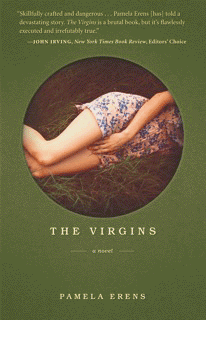
Oh, absolutely! I’m always interested in work that explores the margin between expectation and experience. I loved Pamela Erens’ The Virgins, which is such a smart examination of sexuality-it’s limits and demands. I think what I love most about the book, though, is it’s very conscious use of POV, with the narrator a sort of obsessive voyeur who’s building the intimate moments shared by the main characters almost entirely in his imagination. Their sexuality, then, is a projection of both his own desires and broader cultural judgments.

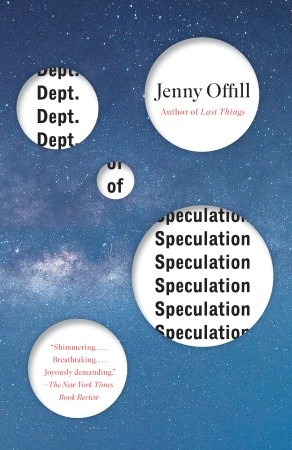
Jenny Offill‘s Dept. of Speculation is this very intimate portrait of a marriage, and it’s exquisitely written.

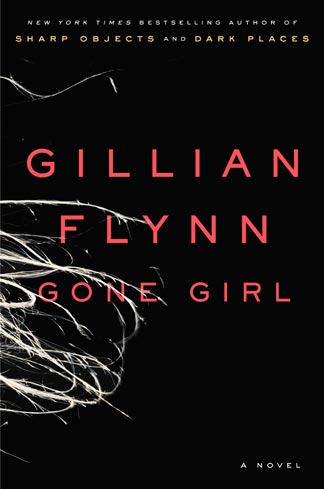
I also really loved Gillian Flynn’s Gone Girl, which I think is one of the smartest examinations of gender tropes I’ve read in years. We have these really horrible characters who quite consciously perform “grieving husband,” “precocious daughter,” “rape victim.” It’s a fun read, but it’s also just really, really smart.

On the very opposite end of the spectrum, Veronique Olmi’s Beside the Sea is the most important book I am loathe to recommend.

The premise, if you’re not familiar with it, is that a mother takes her two children for a seaside holiday before she kills them. It’s really an act of psychic violence, reading this book, but it’s a glimpse into both serious psychosis, and at the same time, an exaggeration of both the love and failures we, as mothers, constantly feel.

Writers and poets often talk about advocating for their work, promoting their work, and supporting the work of other writers by giving back, thereby creating a community where literary endeavors of small presses and the writers they publish is celebrated, discussed, and read. What strategies of advocacy and promotion do you think are most helpful?

I think it’s difficult to find the balance between promotion and engagement, and I think if you’re going to get the balance wrong, err on the side of engagement. The end goal is for the work to get out there, to be read, to be talked about, but there’s that sales aspect along the way that gets uncomfortable. And I’ve seen it handled poorly. I’ve gotten email blasts with “Buy my book!” in the subject line. I’ve also seen writers with new books (I know they have a new book) who never ever breathe a word about it. I don’t think either approach is going to get you there. I recognize that selling is uncomfortable, but what’s never uncomfortable is conversation. I love interviews and essays and blogs. I love to hear writers talking about their own struggles with the work and with publishing, talking about what they’ve learned along the way. And talking about what they’re reading! God, writers are some of the smartest, best readers there are, and I want their recommendations. I also love to hear publishers talking about the books they’re passionate about. I don’t know if you go to AWP, but one of my favorite things about AWP is the book fair. There are basically 3 types of tables in the book fair. There are the unmanned tables-or the may as well be unmanned because the person sitting behind it is never going to look up unless you’re actually trying to put money in their hand. There are the pushy tables, where you almost don’t want to stop: Do you have a subscription? Why don’t you have a subscription? Are you on our email list? And then there are the tables where people are talking, really talking, about books.

Sometimes, when I turn around, Jen (Lambert, my co-editor) is hand-selling a book or journal she just bought from another publisher. She’s like, Look at this cover. Look at this art. And then she’s chasing them away from our table because god, they’d better go buy that book before the other publisher sells out. And, honestly, these are the people who come back day after day. They come to see us the following year. They buy our journals (when they can). They follow the poem of the week series on our blog. Sometimes we overhear these Twitter exchanges between reader and poet, and that’s the end goal-not the sales, but the conversation. So, I think, you do what you can to create those moments of connection. And really, it shouldn’t be that hard-we have this thing right in front of us that we’re all passionate about.

What makes a good chapbook?

I think what I love about chapbooks is that they tend to be cohesive. They tend to be thematic or narrative projects. They tend to be distilled. This is what I look for too in full-lengths, but I think I find in more in chapbooks. I am drawn to series work, and the chapbook in particular seems to be where that kind of work is thriving these days.


What chapbooks are inspiring you these days?

The last chapbook I read was yours-threnody. I knew I wanted to read it when I heard you read some of the death poems from it.

Kristy Bowen (who is like the patron saint of chapbooks) has an electronic chapbook I Hate You, James Franco that I’m completely in love with. I don’t know how many times I’ve read it at this point.

What chapbooks or chapbook poets have impacted your writing the most? Kristy Bowen, hands down. I love her work, but I also think that the books she puts in the world through {dancing girl press} are exquisite and sharp and so smartly curated.

What’s next for you? I am deeply enthralled with fiction now. Since my chapbook Something to Help Me Sleep, which is a narrative sequence, I’ve just been moving farthing into narrative and character and then I was like, “dialogue seems fun,” and now I’m hooked. I am, as we speak, finishing some revisions on my forthcoming novel Monsters: A Love Story. And as soon as I send that off, I’ll get back to a novel that’s in progress.

Number of chapbooks you own: Don’t know. Dozens?

Ways you promote and serve other chapbook poets: I think one thing I love about chapbooks is that you can buy more of them. I mean, they tend to be 5-7 bucks? And they’re little, and you can carry a whole bunch of them back from AWP. And then you haven’t invested a ton of money, so you can pass them along. I love introducing someone to a new writer, and I think chapbooks are a perfect way to do that.

Where you spend your chapbook earnings: Ha! You are hilarious.

Bio: Liz Kay is a founding editor of Spark Wheel Press and the journal burntdistrict. Her poems have appeared in such journals as Willow Springs, Sugar House Review, and Beloit Poetry Journal. She is the author of a chapbook, Something to Help Me Sleep (dancing girl press, 2012). Her debut novel Monsters: A Love Story will be published by Putnam in 2016.

the chapbook interview: Alyse Knorr on research, teaching, and inspiration

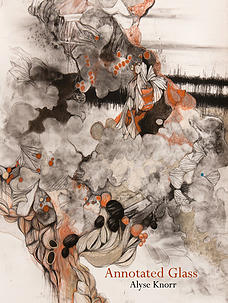
The Writer’s Chronicle September 2014 issue features Debra Spark’s mediation on research and writing fiction. She writes, “In life, you only get to be one person. You only get to go where you go, and do what you do. Not so in fiction. You get to be many people, to go places you’ll never get to go, and to do things you’ll never do” (98) and “Fiction gives you permission to have a bigger life. To go somewhere you’d not otherwise go, to read endless books about an obscure subject, to achieve a form of expertise in a field you’ll never actually pursue, to ask nosy questions” (99). Your chapbook Alternates (Dancing Girl Press, 2014) explores quantum mechanics, alternative universes, and love. Talk about how research and writing enables you to have a bigger life.

I really love these quotes, and the first one in particular feels so perfect for Alternates, because the idea of being more than just one person and living all of your potential lives is what’s at the heart of this book. When I wrote Alternates, I was experimenting with the lyric sequence form and I was also reading about quantum theory-specifically, the “many-worlds interpretation” of quantum mechanics. The many-worlds interpretation postulates that every possible future and every possible past are real, and each exists in its own parallel, alternate universe. Basically, there are an infinite number of universes in which everything that could have happened has actually happened.

The profound beauty in this idea blew me away-especially in the ways it relates to love (you actually are happily married to that one person who never loved you back-in another universe!) and the ways it perfectly lines up with the lyric sequence form-distinctly separate parts that sing in chorus together as a whole. Each page of Alternates, then, depicts one of the many different potential life paths of one couple. In one universe, one of them is dead. In another, they have a daughter. In another, they broke up.

I wanted the book to enact the feeling of time as quantum theory (or at least my understanding of it!) interprets it-time as a malleable, all-encompassing experience, not just a linear sequence. All of the past and all of the future are occurring at the same time-right now. That’s how love feels-the people you love are always with you, and all the potential lives you could have had with them are always with you, too-so in a way, they are always happening, forever. Heartbreak contains joy, and vice versa. That potentiality is extremely comforting to me.

As for the second Spark quote, I couldn’t agree more-research is such fun! I conduct research for every project I write. My next full-length book, Copper Mother, converses with NASA’s 1977 Golden Record, launched aboard the Voyager spacecraft, and delves into theories of extraterrestrial intelligence. I’m currently working on another full-length novel-in-verse called “Mega-City Redux” that remixes Christine de Pizan’s revolutionary 1405 proto-feminist text, The Book of the City of Ladies. For Alternates, I read Hawking, Einstein, and Brian Greene’s The Elegant Universe, as well as a lot of really fun, wacky books like The Physics of the Impossible by Michiko Kaku. My favorite scientist to read is Carl Sagan-he writes with a poet’s love of language, beauty, and metaphor. Reading about another world, another discipline, another set of terminology and another way of thinking-what could be better fuel for poetry?

The February 2015 issue of The Writer’s Chronicle features Jane Hirshfield’s essay “Strange Reaches, Impossibilities, and Big Hidden Drawers: Poetry and Paradox.” In her reflecting on Elizabeth Bishop’s poem “The Map” she writes, “Put flatly: good poems make us smarter” (47). I like that. I like the thinking poetry asks us to do. What poems have made you smarter and how?

Well, as a matter of fact, I’d say that Elizabeth Bishop and her poems have taught me a great deal. Bishop’s combined attention to spontaneity, accuracy, and mystery (she had a toucan named Uncle SAM!) have become a writing mantra for me, and her poems remind me of all the ways that observation is a practice that can be mastered and even queered. Her poems are demanding to me on an intellectual and spiritual level, and every time I read them, I discover something new—new questions, new ways of interacting with people and objects and poetics, and new techniques for probing at the deeper (“rainbow, rainbow, rainbow”-colored!) underbelly of the world.

I have two questions about teaching, a topic you invoke in Alternates in the opening poem. The February 2015 The Writer’s Chronicle roundtable feature on pedagogy asks, Who has time to read? First, how do you make time to read, especially readings that are generative to your own creative process? Second, how does teaching serve your creative work and are there specific activities that you use in the classroom that fuel your own writing?

This is an interesting question! For the first part, I honestly don’t have any kind of special system or anything for making time to read—it usually feels like I end up reading what I absolutely could not live without reading. For the book I’m working on right now, which is a non-fiction researched memoir about Super Mario Bros. 3, I read more than 50 books about video game history and theory during the fall semester. But that’s really ALL that I had time to read, so I’m looking forward to diving into all the poetry I’ve been stockpiling this spring—Claudia Rankine’s Citizen, Olena Kalytiak Davis’ The Poem She Didn’t Write and Other Poems, and Matthea Harvey’s If the Tabloids Are True What Are You. I read a really eclectic mixture of contemporary poetry, short fiction, novels, graphic novels, and historical material (usually I’m reading and re-reading alongside my Masterpieces of World Lit class, which covers everything from The Epic of Gilgamesh to Paradise Lost). I also like to read non-literary non-fiction, like quantum theory (for non-scientists, of course!) or cultural criticism (hence all the video game books). So I’m usually reading what I feel like I absolutely must read at that moment—either for research purposes, teaching prep, as language-fuel to feed new poems, or to keep up with the work of the poets I admire most. I read graphic novels when my brain feels too crammed with words and metaphor and I just want to SEE something that’s directly visually stunning.

To answer the second part of the question, teaching plays a big role in inspiring my creative work. I usually teach more than 100 students per semester, so that’s 100 individuals with different life experiences, different perspectives, and different ways of thinking that I get to speak with. Every time I teach a class or sit down to chat with a student during office hours, I’m learning something new and having my brain stimulated by the point of view they bring to the table. So it’s always both broadening and deepening my outlooks on the world. Teaching stimulates the mind and keeps you intellectually alert, which is so important for writing. It forces you to keep your habits of observation, critical thought, and questioning all fine-tuned every single day.

Here’s one specific example—two falls ago, in my Masterpieces of World Lit class, we were reading Christine de Pizan’s The Book of the City of Ladies. A student raised the question, “Why are all the examples of strong, powerful female heroes that Pizan gives us in this text fictional characters and not real women?” I went home that afternoon thinking about the question, and didn’t stop thinking about it. A year and a half later, I have a draft of a manuscript called “Mega-City Redux,” which is a remix of/sequel to Pizan’s work starring my favorite strong, powerful female heroes of our times-Buffy the Vampire Slayer, Xena Warrior Princess, and Dana Scully from the X-Files. There’s no doubt in my mind that this book would not have been written if I hadn’t been teaching that class.

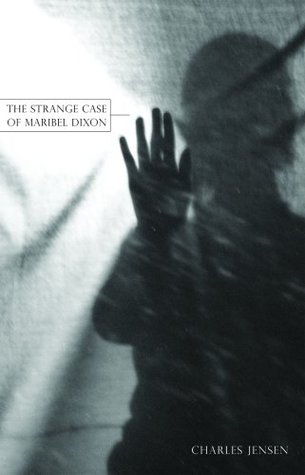
What chapbooks are inspiring you these days? One chapbook I always go back to as an inspiration or model for my own work is Charles Jensen’s The Strange Case of Maribel Dixon. It’s a beautiful love story about a scientist in the 30’s who tries to find a way, through some spooky pseudoscience (no spoilers here!) to save his dying wife. It’s told through snippets of diary, interviews, and shredded documents, and it’s extremely imaginative and compelling-the characters are wonderful and it fits the chapbook form wonderfully.

What do you look for when you put together a chapbook? I want my chapbooks to feel unified in theme-the chapbook is a great form for projects, series, or sequences-and I want it to fully complete the work it wants to do while also experimenting with radical compression.

What’s next for you? I’ve got a couple of projects in the works-the novel-in-verse I mentioned called Mega-City Redux and the non-fiction Super Mario Brothers 3 under contract. I’m also working on a chapbook called “Epithalamia” full of love poems exploring the concept of marriages and weddings in our time. And I’m lucky enough to be working on a couple of collaborations with some really talented poets and friends, so that’s been a lot of fun!


Current chapbook reading list: I can’t wait to read Jeanine Deibel’s Spyre!


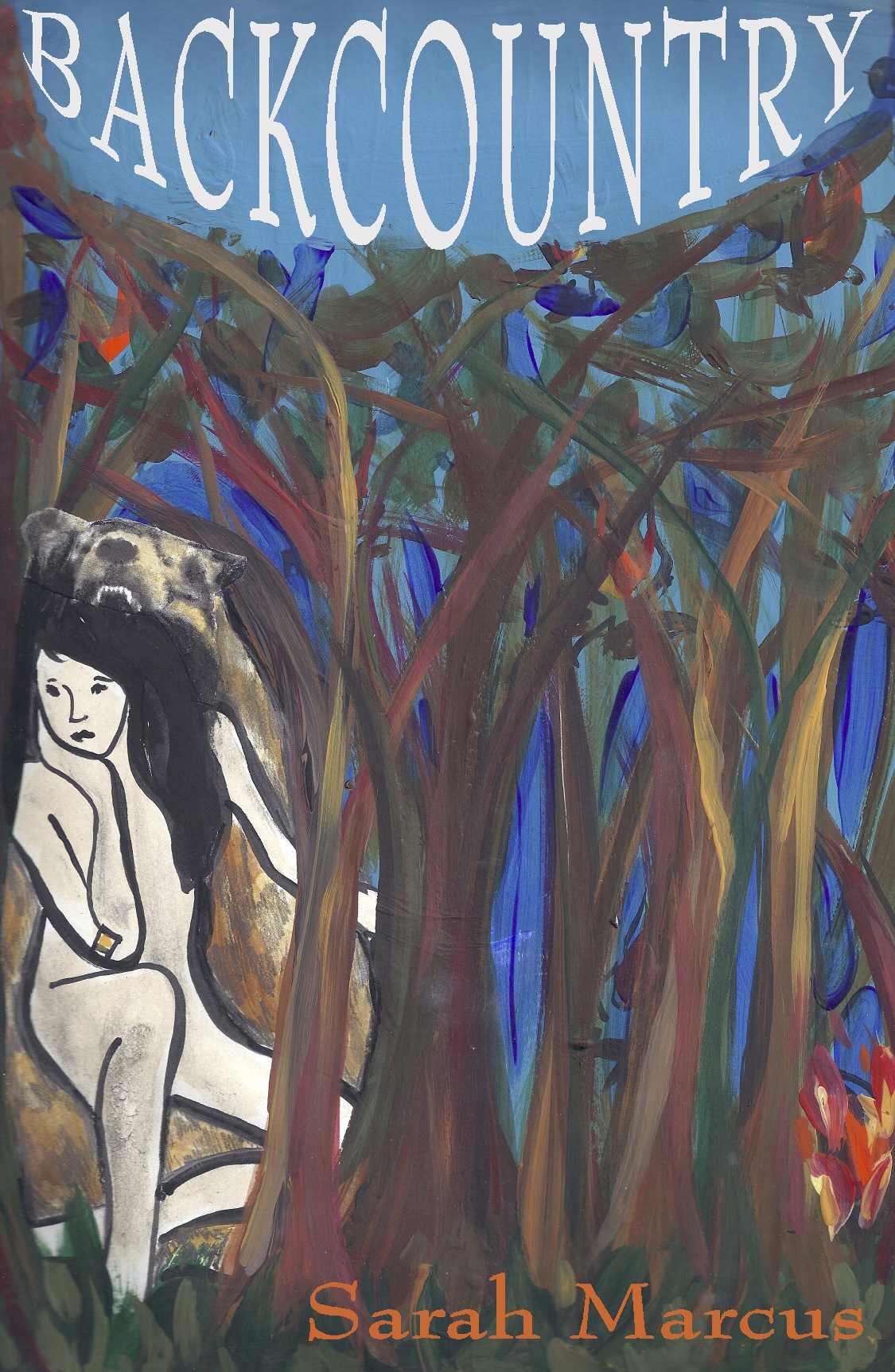
Number of chapbooks you own: Again, too many to count! Some of my favorites are A Conference of Birds by Christopher Martin, Backcountry by Sarah Marcus, and Jane & Paige or Sister Goose by Elizabeth Savage.


Number of chapbooks you’ve read: Again, too many to count! Most recently, I read Anne Carson’s The Albertine Workouts, which is beautiful.

Talk about your commitment to the chapbook writing community. I have a deep commitment to the chapbook writing community. I serve as an editor of Gazing Grain Press, a feminist chapbook publisher. I founded the press in 2012 with poets M. Mack and Siwar Masannat because we saw the need for a press that would publish chapbooks of poetry and hybrid work by feminists of all genders and sexualities. GGP has published three chapbooks of innovative poetry/hybrid work, and this year, we are expanding by adding a prose contest, which will open in March. Our judges for this year’s contests are Natalie Diaz and Amber Sparks. I believe very strongly in giving back to the literary community in some way.

Ways you promote and serve other chapbook poets: Gazing Grain promotes the work of our chapbook poets year-round by setting up AWP and Fall for the Book reading events, mailing out review copies of the books, and setting up online promotions such as interviews and guest blogging. We put a tremendous amount of work into making sure our authors’ chapbooks look exactly the way they want them to look (we started hand-binding books this year) and then we throw our full efforts into promoting the work once it’s out.

Where you spend your chapbook earnings: HA!

Residence: Anchorage, AK

Job: I teach English at the University of Alaska Anchorage.

Chapbook Bio: My chapbook Alternates was published by dancing girl press in the summer of 2014.

“Wanna hold hands and come along?”: The chapbook interview: Nicci Mechler on addiction

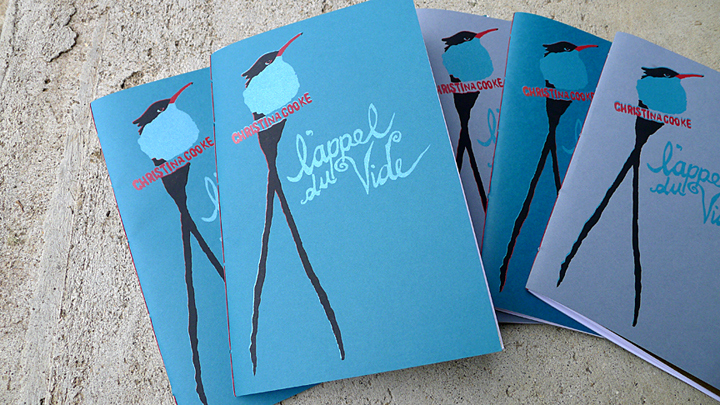
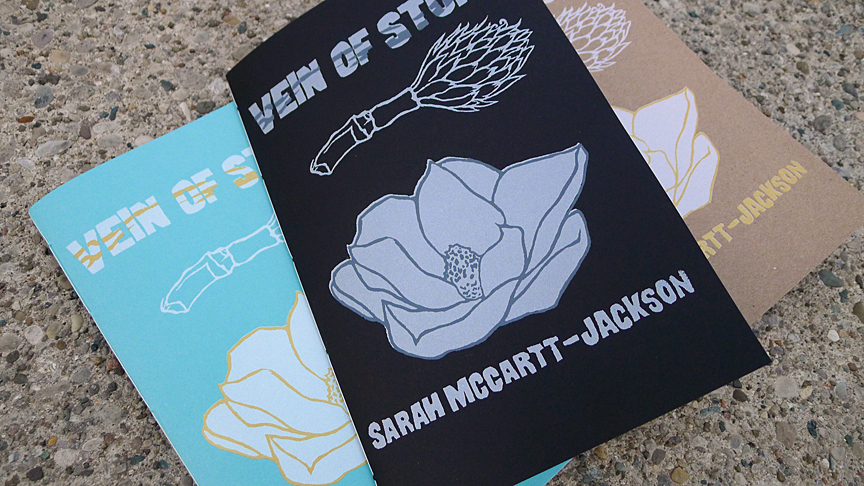
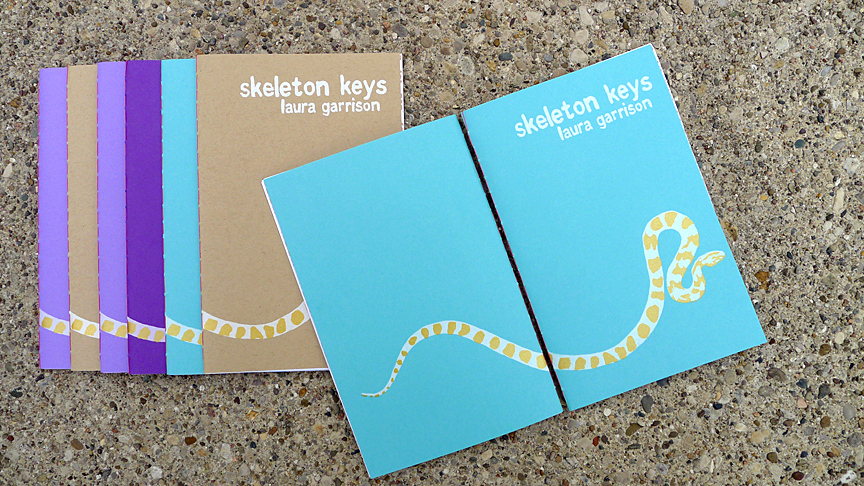
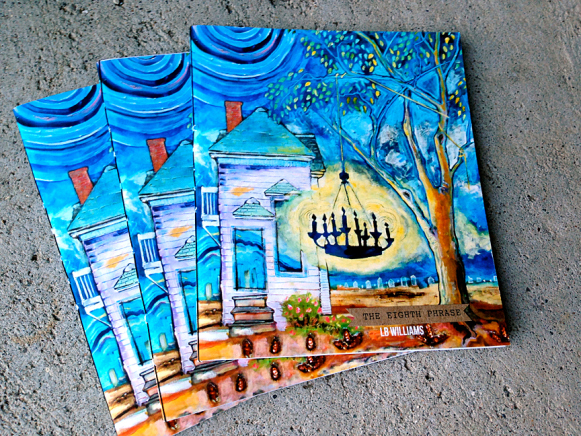
The chapbooks, lit mags, and zines that Porkbelly Press makes are gorgeous—beautiful cover art, lovely interior and exterior design, well-made bindings, and an overall press presentation that is smart. I love the way that Porkbelly Press, signs, adds art, and a stamp with a press logo the envelopes for the post. Given the vast area of chapbooks out there and the ways in which different presses produce them, why did you decide to create the chapbook press the way that you have?

Thank you, Madeline, for saying so, and for having us over for an interview. Porkbelly Press was founded to make artful books to feed the happy place nestled deep inside the brain of people with spirit, attitude and a sense of humor—magic helps too. We look for things that spark that little magpie urge to take it home and display it or keep it on hand to page through again. (Or to give it away to a friend, because it makes the pleasure center blush—be that trigger a gorgeous pastoral poem, epistolary rant, or a piece of lyric science.)

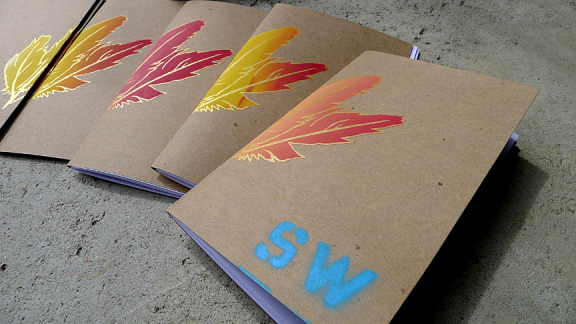
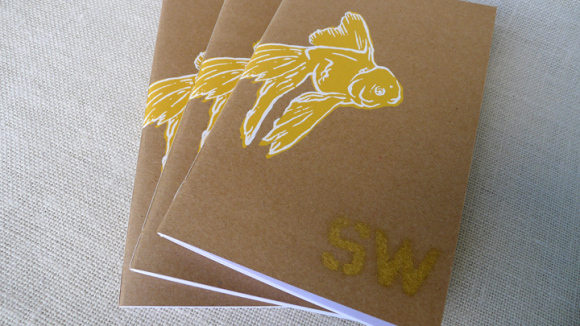
We read our submissions with care, accept only a few pieces or manuscripts each year, and produce limited and small editions. I format and arrange chaps into booklet format, print them, curate (or paint or print) cover imagery, use a bone folder to create nested signatures with sharp edges, sew, trim, and affix finishing touches (sometimes hand-cut title flags or press flags, or decorative end papers). The craft and care given to each book is the best way (for us) to show appreciation to the poet (or author) and to the reader.

We’re not the press that’s going to do 5,000 copies, but we are a press that will do our damnedest to make something striking, and to put it into the hands of the reader who needs it most.

If you like the covers, just imagine what’s hidden between the pages.

Writers and poets often talk about advocating for their work, promoting their work, and supporting the work of other writers by giving back, thereby creating a community where literary endeavors of small presses and the writers they publish is celebrated, discussed, and read. What strategies of advocacy and promotion do you think are most helpful?

Of all the methods we’ve tried so far, word of mouth and Twitter seem to work best for us. We use social media platforms to sling promos, excerpts, photos, and FB for process pictures and calls. We re-tweet, reblog, and generally crow a bit whenever we hear of something neat happening for/mentioning one of our poets/writers/artists. We also make mention of interesting articles and calls for submission from other folks. And there may be a few cat and dog photos on our pages, because… because.

We use bright colors to lure in the artsy types, enticing them with our covers into the world of micro fictions and sultry poetic verse. More than a few of our instagrams have been loved on by strangers. We’re not ashamed.

Ultimately it really is about the community, about supporting each other and helping friends to find the words to light up the important parts of their brains. Keeping the focus on why we love what we’ve selected is our approach. We’re passionate about language & so we say, this is why, and, what do you think? We do our best to open a dialogue and ask questions. We always ask for feedback from our readers. We seek out relationships with distros and brick & mortar shops, tracking down advocates with similar interest, and give them a sample.

It all comes back to passion and connection, no matter if the vehicle. Barring FREE PIZZA, we think handcrafted chapbooks are a pretty darn good lure.

(We don’t have free pizza.)

(Yet.)

Alternate answer to this question: Ray Bradbury said, “Find the author who can lead you through the dark.” That. That’s what we’re doing. Wanna hold hands and come along?

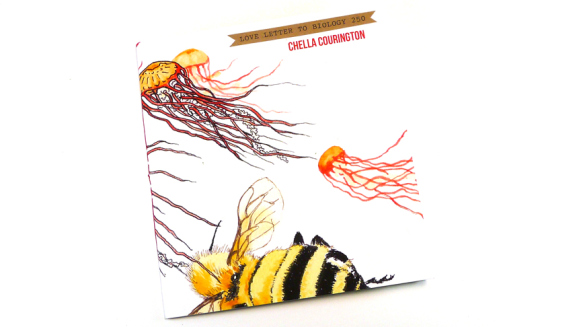
Porkbelly Press has released seven chapbooks in it’s first year—including Love Letter to Biology 250 by Chella Courington, The Eighth Phrase by LB Williams, Skeleton Keys by Laura Garrison, Vein of Stone by Sarah McCartt-Jackson, l’appel du vide by Christina Cook, Bodies in Water by P. Andrew Miller. Alex Stoli’s Into the Land of Nod is forthcoming in 2015. The press’s website notes, “There are 5-6 spots remaining in the 2015 season. Our reading period opens in January.” What are your hopes for 2015 and beyond?

We meant to take five chapbooks in our first season, and ended up struggling to narrow it down to fifteen, let alone the seven we eventually accepted & printed. There are so many poets and writers with luscious words to share, and it nearly drove us mad choosing (which is a blessing, thanks!). It’s a dialogue, of course, and it’s an honor to boost the signal for our creative.

There’s something brilliant in each of the books we chose, something arresting, something that said take me home and read me again and again. It’s our hope, moving forward, that we get to 1) print a first-timer every year, 2) say yes to at least five proposals per year, and 3) inspire a few people think the words: holy crap. And promptly revive/continue/take up a chapbook addiction. I suppose you could say we’d like to be someone’s gateway drug to a more open, hungry mind.

One day we might like to publish a few full length collections, and offer monetary compensation in addition to our payment in copies. We’d like to try some letterpress small editions. We’re working on some anthologies in collaboration with the staff of Sugared Water, and are open to other sorts of projects in collaboration with artisans. We’d love to put some poetry/micro fictions on art objects. AWP is on our tabling to-do list. One of these days, we’ll get around to mailing author copies zipped up in the belly of a handmade felt pigasus.

This all boils down to a desire to brighten and enrich the lives&mailboxes we touch. Life’s too short for anything less.

I know you have two chaps coming out—one that is a collaborative chap with three other lady-poets (in these cups) due out soon and another solo endeavor (Deep in Flesh), scheduled for some time in later 2015. Talk about your forthcoming chapbooks.

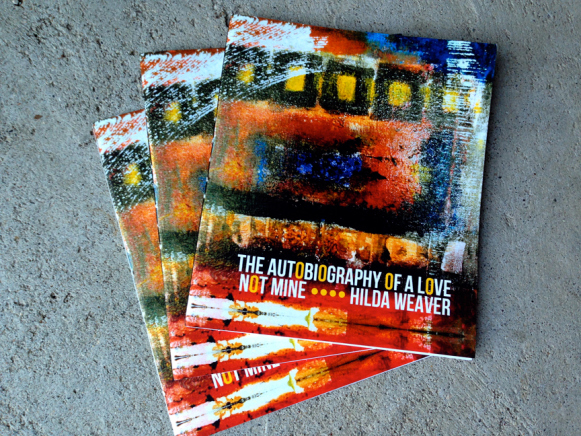
in these cups is a chapbook of poems (some written together, and some of our own in the same vein too) by poets Nicci Mechler, Hilda Weaver, Wendy Creekmore, and Kristin Koester. We write as Wild Soft, and have some work in mags like Stone Telling, Wild Quarterly, Room, and will soon have a few poems in Still: The Journal. Our work tends to be very much about place and experience, melding pastoral with magic realism, and the sassy, assertive feminine. Our ages span five decades, and we fall at various points along the sexual spectrum, and we grew up in different places, so it makes for some memorable retreat & poetry writing sessions—the bourbon helps. It’s really about exploration and collaboration in a fearless place. More often than not, we compose these poems in person, around the kitchen table, on retreat at retreat space managed by the Kentucky Foundation for Women.

Deep in Flesh is my chapbook of poetry, also forthcoming from dancing girl press (2015). Most of the poems are rooted in the body, often the damaged body—be it a broken wrist or what’s left carved into the flesh after birth or opening the ribcage. There seem to be a lot of body-pieces and bones, eating and sewing in these—damaging and pulling back together the metaphorical and literal flesh—desire and loss and desire again.

How do you define chapbook? A chapbook is a collection of works (short or micro), in any genre, of up to about four dozen pages worth of content. Most of the chapbooks that I own hover between 15 – 30 pages. The covers may or may not be paper—I can’t even say it has to be a book. I’ve been thinking about attempting small edition sculptural displays for chaps, but I’m still waiting for the right manuscript.

Though some folks think chaps are random samplings of work. I tend think chaps should be focused in some way, with the thread of place, voice, persona, subject, or image. (As soon as I give you a definition, I’ll read a really lovely chap that defies it, you know!)

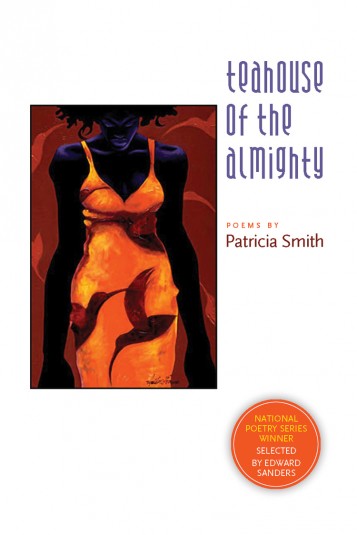
What is inspiring you these days? Vintage sideshow photos & illos, fables, hauntings, and misty afternoons in the hills of Kentucky, and plant lore. If we’re talking books (aside from everything I’m reading in the slushpile for Porkbelly Press & Sugared Water), I’m currently reading Teahouse of the Almighty by Patricia Smith, one poem a day instead of blazing through them like I usually do. A friend just suggested Seam by Tarfia Faizullah, so that’s next.

How are you trying to get better as a poet? I read—a lot (everything). And I do a lot of thinking about poetry as a teacher as well as poet. I just found a 1992 copy of The Practice of Poetry, and I’m starting with the exercises by Deborah Digges and Rita Dove. I like to think this stuff helps me improve. I’m constantly trying to write a long poem, and fail at it every time. Every failure makes me a little better. I ask questions. It’s probably very annoying to my friends.

What makes a good chapbook? The same thing that makes a good poem or micro fiction or lyric essay—evocative language, command of craft, lines that seem to go together, pieces that talk to each other. A chapbook should feel like an investigation or way through. I like books that have a point of view, teach me something, deepen my understanding—poems or stories I wish I’d written.

What’s next for you? There’s an urban fantasy (novel) manuscript I’m working on—it’s a snarly beast, but we’re coming to terms. I’ve been toying with a couple of chapbook ideas, and am circulating a second collaborative manuscript called how wild & soft you are.

In terms of Porkbelly Press, the first half of this year will see:

Love Me Love My Belly: a body image zine (issue 2)

Sugared Water (lit mag, issue #003)

Emily (anthology of Dickinson inspired works)

Alex Stolis’ chapbook Into the Land of Nod

Words for Worlds, an anthology of speculative poems edited by P. Andrew Miller

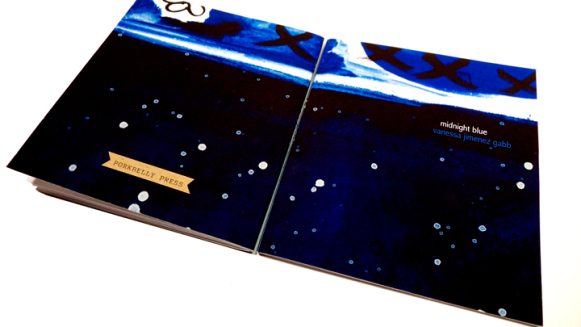
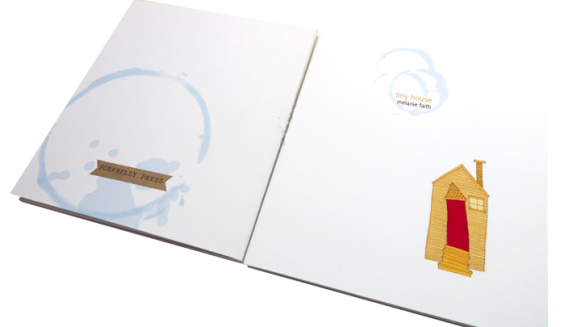
& micro chapbooks: Midnight Blue (Vanessa Jimenez Gabb, poetry), Tiny House (Melanie Faith, poetry), Strangest Sea (Ariana Den Bleyker, prose poetry), Mouth of the Rat, (rob mclennen, poetry), and press yourself against a mirror (Janelle Adsit, poetry).

Number of chapbooks you own: 50+ chapbooks, but I sometimes give them away. They’re stored with my zines (hundreds). There can be a very fine line between chapbook and zine.

Number of chapbooks you’ve read: I couldn’t begin to say how many I’ve read—most were in progress by poet-friends or grad students preparing them for submission to various small presses. I’m always delighted to find beautiful chaps, and mail order as many as I can. We don’t want to talk about what happened the last time I went to AWP.

In 2014, I read around 300 chapbook & micro chapbook manuscripts for Porkbelly Press. It’s such a gift to read brand new work—work that no one’s published yet. I love it when I get one and find out it’s a first manuscript and I’m thinking why doesn’t everyone know who you are? I imagine that’s how some people feel about really great shoes.

Ways you promote and serve other chapbook poets: I buy chapbooks when I’m able, share calls for submission, sales, and articles about/by small presses, tweet or link when I read an interesting excerpt, and talk to my students about chaps when I’m teaching, ask everyone which book they last loved. If they won’t lend it to me, I see if I can find a remaindered library copy (love the stamps & stickers). I’ve written a few reviews, and might start posting them to the press blog, or soliciting other reviewers, but will first finish aforementioned novel.

Where you spend your chapbook earnings: Etsy paper sellers, local art supply stores, and Epson partake in the earnings from the press. That’s another way of saying everything goes back into the press (supplies, postage, promo materials, Duotrope & Submittable fees, etc.). I buy a chapbook or collection of poetry every time I get a big order.

Your chapbook wish: I’d love to read manuscripts rooted in culture, identity, language, and tradition—specific experience written in a way that drags me right into that space. I read two poems from Christina Cooke’s l’appel du vide and knew I was going to say yes, I want to publish this, yes. I want chapbooks that make me say yes before I’ve even gotten to the last page.

Chapbook Bio: Nicci Mechler (MA English & BFA Studio Art, Northern Kentucky University) splits her time between writing, bookbinding, and drawing girls with inky tattoos. Her work has appeared in such magazines as Arroyo Literary Review, The Pinch, Roanoke Review, Stone Telling, and Kestrel.

She edits the lit. mag. Sugared Water, and established Porkbelly Press in 2014 (small press, chapbooks & zines). She lives in Cincinnati, Ohio with a cadre of rescue animals and delightful people specializing in troublemaking & joy. Nicci blogs at damnredshoes.wordpress.com.

the chapbook interview: Sarah A. Chavez on craft, revision, the job market, and chapbook advocacy

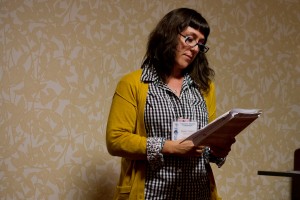
IMG_6176_reading

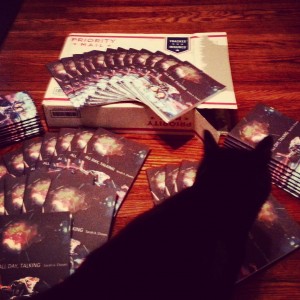
The Writer’s Chronicle September 2014 issue features Debra Spark’s mediation on research and writing. In her essay she quotes Lorrie Moore who said, “For the writer, the facts of life are like ingredients in a kitchen cupboard…the cake you make is the fiction. That’s how life and art are related” (87). Talk about your work as a poet, your poems in All Day, Talking (Dancing Girl Press, 2014), and your sense of making art from life.

I find this quotation fascinating. I love cake, and I love fiction and poetry. To think of these as being the same makes a lot of sense, even though it never occurred to me before. Cake is made of so many things that on their own amount to little use (flour, baking powder, vanilla extract) but together they create this nourishing, soul-warming, textured experience, much like poetry. What is a word on its own? A letter? A comma? Together though they make meaning, and like the cake, can be simultaneously sweet and nurturing, both comforting and maybe a little bad for you.

When I’ve been asked if the relationship in the chapbook is “true,” if there was a real Carole and if am I the speaker in the poems, I have a hard time giving anything but a convoluted answer. Whether I say yes or no, both are true and both are false. Poems cannot accurately represent the people in our lives or the situations we experience. We are, in essence, forced to pick and choose the ingredients that help us tell whatever particular story we need to tell at that moment. The first “Dear Carole” poem came to me while working on exercises for a poetry forms class during my PhD program. I was having a hard time deciding on which form to use and a hard time deciding what to write about; so I went for a walk and began to ask myself questions. I realized that half the time I ask these kinds of questions, or narrate my activities (yes, I can be caught narrating my activities, sometimes in song – if I was a better singer, I’d be great in a musical!), I rarely feel as if I’m talking to myself. I’m not always talking to the same person, but I do often go back to those people I have lost. It feels as if they know my problems all the way around, or conversely that they don’t know anything about my life, which makes me wonder if I would seem like a stranger to them.
After the first “Dear Carole” poem was written, what continued to fuel these poems were feelings of loneliness during my PhD program. I have made wonderful friends there that I am still in close contact with and whom I love, but I often felt like the me in this program, the me in this lovely, low-crime Midwestern town, the mean in such a privileged position that I could go walk around a lush and tree-thick park whenever I didn’t know what to write was notreallyme, but an alternate version of myself. A cleaned-up, gentrified version. A lie self, maybe. I knew what was really inside, and it wasn’t what I showed those people who I wanted to respect me, to take me seriously.

So the poems in this chapbook are culled ingredients from the different versions of love I’ve received and expressed in the past, the space for self-reflection I’m afforded now, from the relationships I mourn. They are my attempt to negotiate feeling lost while in the middle of stability, to feel anchored to memory in a way that honors it without losing the present.

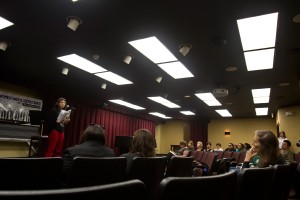
IMG_9397_reading

We both recently attended the keynote talk by Barbara Shoup at the Indiana Writers’ Consortium Conference and Bookfair. During her talk, an audience member asked Barbara how she knew when her novel was finished. She quoted Toni Morrison by saying, “All art is knowing when to stop.” Talk about knowing when a poem is finished, about knowing when a chapbook is done.

Barbara Shoup’s keynote resonated for me particularly when she spoke on missteps and revision. She shared with the audience that she had to write her way into a book. She may have a clear idea regarding plot, but it is often necessary for her to experiment then with point of view, character relationships, etc. I feel that is rather representative of my own process regarding the writing of a poem.

I often begin with an image or a feeling and that becomes either a starting or ending point for the writing. Part of my problem with writing is that I rarely know when a poem has ended. My first “ending” usually comes because I run out of fuel (so to speak) and don’t know what comes next. Most of the time, nothing needs to “come next” and in fact, a poem’s real ending is somewhere half a dozen or so lines before my earlier draft’s last line. Of course ending a poem does not mean a poem is finished. Unfortunately for me, I am a slow writer. More accurately, I may write a lot quickly or in a short period of time, but then need a long time for revision. I have learned that in my writing process, I often become attached to the idea I think the poem was going to be, but then need to put it away for a week or so before returning to it. If when I return there is a coherent/cohesive feeling invoked by reading it, I know it’s close to being done. I think of my poems as slivers of an emotional experience expressed through narrative. Even if the emotions are complicated, I want to make sure that the language is precise, and there is nothing extraneous, no images or words that aren’t working toward getting the reader to the end of the poem. Everything must have a purpose.

An integral part of my knowing when a poem is finished is sharing it with a fellow poet and then someone who is not a poet. Often the fellow poet can talk with me about the craft side of the poem and whether or not the devices used are working toward what I wanted to communicate. Then listening to feedback from the reader who is not a poet helps me gauge the poem’s overall success. My main goal with writing is to communicate stories or experiences that represent peoples or situations main stream culture often ignores or presents in shallow, reductive ways. If the non-poet reader doesn’t get (at least partly) what I am trying to communicate, the poem definitely isn’t finished. I guess in this sense, I rely rather heavily on community for knowing when a poem is done. The writing of the poem is solitary and very internally driven, but the finished product is dependent on a community of readers. This isn’t necessarily because I think I don’t know how to finish a poem, but rather that I want an audience bigger than myself. I want as wide an audience as possible. If I were just writing for myself or for people who were just like me, I think my experience writing would be much easier. But I personally do not see the value in such exclusivity.

As for knowing when a chapbook is done, I try to look for the arc in a larger narrative. The chapbooks that appeal to me most are those that have strong individual poems, but together present a larger narrative. For All Day, Talking, I wanted each letter-poem on its own to further develop the relationship between the speaker and Carole. As a whole though, the letters work together to illustrate grief and the speaker’s attempts to negotiate living with that loss. When I wrote “Dear Carole, I wake up like this now” (which was originally titled “All Day, Talking”), I knew it would be the last poem in the chapbook. The first poem worked to introduce the relationship and the situation between the speaker and Carole, and I wanted the last one to highlight the most important aspect of their relationship, or at least ultimately how the speaker feels about Carole. After I had those two poems in place, it was about filling the spaces in between. When working on a chapbook, I usually try to amass a small store of poems, see how they speak to each other, and then let them show me what the larger, more comprehensive narrative is. Once that story feels full, the chapbook is most likely done.

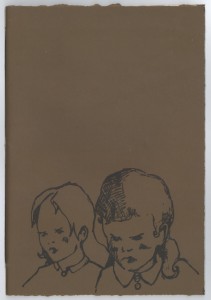
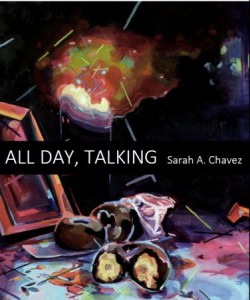
cover pic from DGP page

I recently attended the Omaha Lit Fest and Karen Shoemaker said during her panel presentation, “Be willing to be an advocate for your own work.” Writers often talk about promotion and book sales, but not advocacy. Some argue that chapbooks are not viewed with the same prestige among some circles as a full-length book, books from university presses, or books that win prizes, awards, and national contests. Do chapbooks need advocacy? Do poetry collections from small presses need advocate work? How are you an advocate for the chapbook work you’re doing?

This question is, and was this past year, so salient for me. I was in the process of graduating and was on the academic job market (a phrase I can only say with a minimum of a quarter of an eye roll – I mean, how much more like a product could we make ourselves sound?) and I was getting advice and warnings from every which way, and specifically a lot of advice about what kind of publications I would need to be a desirable candidate. At that point my chapbook had been accepted by dgp and had a tentative release date, so when asked about whether I had a book or not (this is what makes or breaks your success for many creative writing academic jobs), I would tell people about my chapbook. Sometimes this was met with interest and other times with confusion, like, “wait, I just asked if you had a book, not a chapbook.” And while I understand there is a difference between a full-length poetry collection and the significantly shorter chapbook, it appears that as an industry academics is saying that quantity always trumps quality, and that quality can only be judged by those presses who exclusively publish full-length collections. This is an issue with fiction as well; many fiction writers must contend with whether it is enough to have a collection of short stories (or a chapbook of stories, as is becoming more common) or does one need to publish a novel. This bias not only effects academic environments, but also literally what texts are available to the public at large.

Because of the mixed reactions I encountered about the legitimacy of the chapbook as something that “counts” on one’s CV, I would most certainly say that the chapbook as a legitimate form needs advocacy. It is no coincidence that many presses that publish chapbooks have feminist mission statements or actively seek the work of writers of color and queer writers. The chapbook form and independent presses are addressing the dire need for more diversity within literary publishing. Each year VIDA exposes the disturbing statistics regarding the continued imbalance of male to female writers being published in the “top” literary journals and magazines. I can’t imagine that the diversity of race/ethnicity fairs any better. If as readers we want to have access to different voices, we must support the small presses and alternative publication models, such as the chapbook. It is important for readers to have the possibility of different narrative structures (and narratives). Frankly, the truth of the matter is that many of the national awards and university presses have established identities, established relationships with certain regions or economic environments, which can translate into a particular type of writer being published. I am not implying that these established relationships are purposeful necessarily, but rather that when something has been functioning in one way for fifty or a hundred years, it is difficult to look outside that aesthetic (both in writer and writing). Like the debates regarding the literary canon in educational institutions, it is important to ask ourselves, who are the gatekeepers, and what are we being kept from?

At this point, the advocacy I’m doing for my chapbook work is to get the word out as much as possible, which currently that means doing readings, interviews, writing book reviews of other chapbooks and small press books, as well as teaching chapbooks and small press collections in the university creative writing and literature classes I teach. Next semester I am privileged to be teaching two sections of an introduction to poetry literature course and an intro to creative writing class. These are students who have a very limited idea regarding where “good” (read validated) literature comes from, and I see this as a perfect opportunity to introduce them to alternative texts and writers. The current overwhelming popularity of shorter mediums (Twitter, Facebook status updates, journals like Brevity, etc.) seem to make this historical moment the perfect time for the chapbook to really assert itself and the potential it holds.

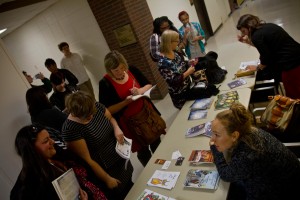
IMG_6101_reading

How do you define chapbook? A chapbook is contained and complete. The poems work on their own, but tell a more complicated/nuanced story together. Also, I think the industry consensus regarding length is somewhere between 16 – 40 pages, so you know, like a largish snack: something small enough to eat on the train, but substantially filling.

What is inspiring you these days? Seeing the successes of writers that I admire. It is immensely gratifying to see writers who are hard workers, whose work I think is amazing, have the successes (large and small) they so rightly deserve. It fills me with hope and excitement for the future landscape of contemporary poetry.

How are you trying to get better as a poet? By writing of course, but equally important, reading. Reading and copying lines from poems that stand out to me, then free writing on what about the line makes it stand out, whether it’s an idea presented, the musicality, the word play, etc. I want to feel the line, but then I want to understand how it functions.

What’s next for you? Well, I don’t want to say too much about this because my idea isn’t fully formed, but I’ve been doing some writing about turtles. I’ve always loved the sort of practical beauty of their shells and tough skin, the deliberate way they move. They are very important to indigenous mythologies of the Americas and I’ve been doing some reading on that. There’s a simplicity in the physical body of the turtle, as well as the structure of mythological origin stories and oral tradition that I’m feeling drawn to.

Talulah with chapbooks

Number of chapbooks you own: More than I remember! I don’t know, thirty-five maybe? Enough that they required their own box(es) when my partner and I moved.

Number of chapbooks you’ve read: Less than I want. I’ve read most of the ones I own, and certainly peruse chapbooks at indie book stores or book fair tables at AWP. Do those count?

Ways you promote and serve other chapbook poets: Other than reading and purchasing other poets’ chapbooks, I’m excited to be able to assign them to my poetry lit and creative writing classes. That not only presents the form in an institutionally validated environment, but it also shows young readers and writers the possibility of the chapbook and hopefully encourages them to want to read more and/or write their own.

Where you spend your chapbook earnings: Ha! Well, at this point, with my modest earnings, I’m mostly reinvesting, as it were, by buying other chapbooks and paying for cups of coffee at the coffee shop where I like to write in the late mornings on non-school days. If I am (p)lucky enough to make more, I want to use it to fund a DIY chapbook tour.

Your chapbook wish: Is this a wish for my own chapbook or for chapbooks as an art form? Though I guess my wish for both is the same: more visibility.

Residence: Huntington, WV.

Job: Visiting assistant professor at Marshall University where I teach literature, creative writing, and composition.

Chapbook education: My most influential chapbook education came from the wonderful poet Grace Bauer at the University of Nebraska – Lincoln. In her forms poetry workshop we were asked to assemble a chapbook for the final project. That’s what really got me thinking more about seriously about chapbook structure and its many options.

Chapbook Bio: Sarah A. Chavez, a mestiza born and raised in the California Central Valley, is the author of the chapbook, All Day, Talking published by Dancing Girl Press (2014). She holds a PhD in English with a focus in poetry and Ethnic Studies from the University of Nebraska – Lincoln. Her work can be found or is forthcoming in Spoon River Poetry Review, So to Speak: Feminist Journal of Language and Art, and Acentos Reciew, among others. Her manuscript, This, Like So Much, was an Honorable Mention for the 2013 Quercus Review Press Poetry Book Contest. A selection from her chapbook manuscript All Day, Talking won the Susan Atefat Peckham Fellowship in 2013. She is a proud member of the Macondo Writers Workshop. www.sarahachavez.com
pic with glass from July 2014 (1)